

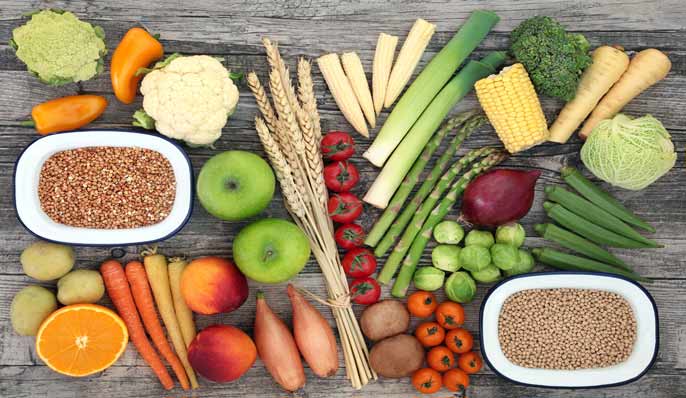
For good health, one essential part of our diet is still underestimated: dietary fibre and here is why. Long regarded as little more than a way to regulate bowel movements, fibre is now emerging as a genuine ally for longevity.
By feeding our gut microbiome, fibre does far more than help things move along. It may reduce inflammation and support heart and brain health. It could be one of the simplest ways to age in better health.
That makes sense: gut health underpins vitality. I have often seen patients feel better when we first improve their bowel habits and microbiome. It is a useful reminder of the old saying, “ A healthy gut makes all the difference ”. Getting enough dietary fibre often helps people feel better, although individual needs always vary.
What is dietary fibre?
Fibre consists of plant components that our digestive system cannot break down or absorb. Unlike proteins, sugars and fats, they reach the colon largely intact, where they can feed our gut bacteria: our microbiome.
There are two main types:
- Insoluble fibre (such as the cellulose in vegetables, especially their stems and leaves) absorbs water and adds bulk to stools, helping them pass. It also helps move material through the intestine.
- Soluble fibre (such as inulin and fruit pectins) dissolves in water and is fermented by gut bacteria.
Some soluble fibres are called prebiotics, because they selectively feed “ beneficial bacteria ” (including Bifidobacterium, Lactobacillus and Akkermansia), which produce compounds that can benefit our health. This makes them especially interesting.
Why might fibre help us live longer?
First, adjusting our fibre intake can improve health. More recently, researchers have also identified potential benefits for longevity .
Lower risk of chronic disease
Higher fibre intake is associated with a lower risk of cardiovascular disease, diabetes and some cancers. For example:
- A large US study of more than 388,000 adults followed for nine years (the NIH-AARP Diet and Health Study) found that those who ate the most fibre had a 22% lower risk of death than those who ate the least (Park et al., 2011).
- Another review of more than 185 studies (published in The Lancet; Reynolds et al., 2019) concluded that eating 25 to 30 g of fibre a day was associated with markedly lower risks of coronary heart disease, stroke, type 2 diabetes and colorectal cancer.
- Certain fibres (psyllium and beta-glucans) reduce the absorption of cholesterol and improve insulin sensitivity.
Overall, eating more fibre may help lower the risk of diseases that shorten lives.
Effects on the brain
Through the gut–brain axis, fibre fermentation can influence neurotransmitter production and brain plasticity.
In a study involving older adults, supplements containing inulin and fructo-oligosaccharides (FOS) for 12 weeks improved memory and some cognitive functions, alongside an increase in gut bifidobacteria (Kelly et al., 2017).
In other words, feeding your gut bacteria with fibre may also benefit your brain.
Prebiotic fibre for a healthy microbiome

Prebiotic fibre encourages beneficial bacteria that help regulate immune responses and limit chronic inflammation, a contributor to ageing. These bacteria ferment the fibre and produce short-chain fatty acids (SCFAs) such as butyrate, and propionateand others.
- Butyrate supports the intestinal lining, helps reduce inflammation and may have protective effects against cancer.
- Propionate and acetate help regulate sugar and fat metabolism.
Italian researchers have shown that centenarians tend to have a more diverse microbiome, with more bacteria that produce these protective compounds, alongside a traditional fibre-rich diet (Biagi et al., 2016).
The main types of prebiotic fibre
Prebiotic fibres fall into several groups:
-
Oligosaccharides : FOS, GOS, XOS and MOS. These ferment readily and strongly stimulate bifidobacteria. Sources include milk and dairy products, whole grains such as maize and wheat, bananas, garlic and onions.
-
Soluble polysaccharides : pectins (fruit), beta-glucans (oats, barley and mushrooms), and arabinogalactans (acacia gum and larch).
-
Resistant starch : starch that escapes digestion, found in green bananas, pulses and starchy foods that have been cooled.
-
Fermentable manufactured fibres : polydextrose, resistant maltodextrin and soluble maize fibre.
These fibres ferment at different rates and produce different profiles of short-chain fatty acids (SCFAs), but all can support a diverse, active microbiome.
People prone to excess fermentation high in the gut (in the small intestine), who become bloated soon after meals, may feel worse with oligosaccharides and manufactured fibres. Resistant starch and polysaccharides may suit them better. Try introducing them gradually.
Are you getting enough fibre?
 Modern diets have reduced our fibre intake:
- Refined foods (white bread, polished rice and white pasta, for example) have lost much of their fibre.
- We eat fewer plant foods overall, and fewer whole fruits and vegetables, often peeling or processing them instead.
- Pulses such as lentils, chickpeas and beans used to be staples, but now rarely appear on many plates.
- Fast meals and ultra-processed foods have sadly displaced traditional plant-rich, fibre-rich dishes.
Today, average intake is around 12 to 15 g of fibre a day, roughly half the recommended 25 to 30 g per day.
Some researchers call this “microbial starvation”. When gut bacteria receive too little fibre to maintain their diversity, chronic inflammation may increase. Recent work suggests that much age-associated inflammation reflects modern lifestyle factors rather than ageing alone (see this article).
Still, individual needs vary. Some people feel well on diets very low in fibre, perhaps partly because of their genetics. Some advocates of ketogenic or even carnivore diets argue that fibre is not essential, as discussed
below.
Many people nevertheless eat too little fibre for their own needs. You can also check for symptoms linked to low fibre intake in our health assessment here.
Estimate your daily fibre intake:
To get an idea of your daily intake, use the table below and add up the plant foods you eat in one day. Do you reach at least 20 grams of fibre?
Where can you find prebiotic fibre?
Addressing a shortfall takes more than one source of fibre. The key is variety. You can find them in:
- whole fruits and vegetables especially apples, pears, carrots, artichokes, asparagus, Jerusalem artichokes (particularly rich in inulin) and leafy greens. The list goes on. Wash them well and choose organic produce when possible.
- pulses : lentils, chickpeas and dried beans (soak them overnight)
- whole grains : oats (beta-glucans), barley, rye and others
- seeds : flax, chia and psyllium (their mucilage can help regulate bowel movements and blood sugar)
Caution : some people do not tolerate grains, (see this article), or lectins such as gluten, very well. Soaking, sprouting, fermenting or pressure cooking may make these foods easier to tolerate. If needed, choose other fibre-rich foods that agree with you.
- tubers and resistant starch found in green bananas, and in potatoes or rice that have been cooled after cooking and then reheated
- natural supplements : acacia gum, apple pectin, larch bark, psyllium, tiger nuts and others
| Food | Fibre (g per 100 g) |
|---|---|
| Chia seeds | 34,4 |
| Flaxseeds | 27,3 |
| Dried shredded coconut | 23,0 |
| Almonds | 12,5 |
| Oats (rolled) | 10,6 |
| Pistachios | 10,3 |
| Hazelnuts | 9,7 |
| Cooked artichoke | 8,6 |
| Wholemeal bread | 6,9 |
| Avocado | 6,7 |
| Walnuts | 6,7 |
| Raspberries | 6,5 |
| Cooked lentils | 7,9 |
| Cooked chickpeas | 7,6 |
| Cooked kidney beans | 7,4 |
| Blackberries | 5,3 |
| Cooked spelt | 5,8 |
| Cooked peas | 5,5 |
| Raw kale | 4,1 |
| Pear with skin | 3,1 |
| Green vegetables | 2 to 4 |
| Cooked sweet potato | 3,0 |
| Raw carrots | 2,8 |
| Cooked quinoa | 2,8 |
| Banana | 2,6 |
| Apple with skin | 2,4 |
| Orange | 2,4 |
| Cooked brown rice | 1,8 |
| Cooled and reheated rice | 2 to 3 |
Take care at first, especially if you have an irritable or already inflamedgut, or small intestinal bacterial overgrowth (SIBO; see here). These conditions should be addressed first.
In practice, increase your intake gradually to avoid bloating and discomfort. Your digestive system needs time to adapt.
Useful combinations
New research is exploring combinations that may enhance the effects of fibre :
- Fibre and postbiotics : perhaps the most useful combination. Studies suggest that adding fibre may increase microbiome diversity more effectively when paired with postbiotic foods, most of which are fermented (see our article on postbiotics).
- Fibre, citrates and alkalising minerals (potassium, magnesium, bicarbonates and others): these may counter some of the acidity generated during fibre fermentation, improve digestive tolerance and reduce the dietary acid load, with potential benefits for bones and muscles.
- Fibre and polyphenols (berries, cocoa and green tea): gut microbes partly transform polyphenols. Together with fibre, they may provide additional antioxidant and prebiotic effects.
Practical advice
If you feel well, have no digestive problems, and your bowel movements are regular despite a low-fibre diet, there may be no need to change anything.
Otherwise, start by making sure you eat enough plant foods each day (estimate your average fibre intake). Include fermented foods regularly; they contain postbiotics (see our article). Fibre may have greater benefits when combined with fermented foods, which can support microbiome diversity and immune regulation.
If your intake still seems low and your digestion or immune health could improve, you might try a supplement. You can find some options here.
In that case, increase the dose gradually, especially if you have an irritable gut. Give your digestive system time to adapt.
Pay attention to how you feel: look for changes in your bowel habits, digestion, stools, overall energy, skin and allergies.
Choose soluble fibres such as psyllium, fruit pectins, inulin, acacia gum or konjac. Prebiotic blends are also available.
If you become bloated soon after eating, which may suggest fermentation in the small intestine, avoid oligosaccharides (see above).
If you have inflammatory or autoimmune bowel disease , seek guidance from a healthcare professional.
What about the ketogenic diet: a paradox?
Ketogenic diets are very low in carbohydrates and usually low in fibre. In the short term, they can produce striking effects: weight loss; lower blood glucose and triglycerides; and improvements in conditions such as epilepsy, diabetes and insulin resistance. Some doctors who favour ketogenic diets argue that fibre is unnecessary, and some populations do well on diets made up almost entirely of animal foods.
At the same time, some studies find fewer beneficial gut bacteria, such as bifidobacteria, and less production of short-chain fatty acids, which help maintain the intestinal lining and regulate immune responses and inflammation.
The apparent paradox: ketogenic diets can improve some markers quickly but may reduce microbiome diversity over time, while the potential benefits of fibre tend to emerge over the longer term.
There is room for debate. In my view, we should consider each person’s digestive sensitivity, genetics, activity level and circumstances, including where they live and the climate.
A middle path is possible: add well-tolerated fibre sources, such as vegetables, seeds, psyllium and fermented foods, to a lower-carbohydrate diet. This may support the microbiome while preserving some metabolic benefits of a ketogenic approach. Carbohydrate and fibre intake can also vary according to individual needs.
Conclusion: more than a bowel regulator
Dietary fibre does far more than help bowel movements. Prebiotic fibre in particular may help lower disease risk, support a balanced microbiome and immune defences, protect brain health and contribute to longevity.
Yet modern eating habits often leave us short of fibre. For many people, returning to a varied, fibre-rich diet, as seen in traditional diets and some long-lived populations, offers a simple way to age in better health.
At your next meal, consider adding more whole vegetables, pulses, whole grains, nuts or fruit. Your body and your microbiome may thank you.
Estimate your daily fibre intake. If reaching 25 to 30 g a day proves difficult, you could try adding a prebiotic fibre supplement such as these.



Bonjour Docteur,
CQFD, une fois de plus un excellent travail Clair et riche, merci docteur !
Bien cordialement
Marc
Merci pour votre appréciation. Les compliments sont bons pour la longévité ;-)