


Under certain circumstances and with age, the intestine may become too permeable, sometimes called “leaky gut”. Unwanted substances may then pass into the bloodstream, including incompletely digested food particles, toxins and bacterial fragments, potentially contributing to various health problems.
Article updated on 20 May 2024
The body then expends energy producing antibodies to protect itself, with varying degrees of success. This may affect longevity.
Although intestinal permeability has been widely documented in scientific studies in recent years, many doctors overlook it or dispute its role in disease, leading to debate. Others acknowledge increased permeability only in conditions such as Crohn’s disease or alcoholism.
That is unfortunate. Further investigation could help confirm or challenge particular claims and improve our understanding of the phenomenon. See the references at the end of this article.
Some unscrupulous practitioners or vendors exploit this uncertainty, blaming leaky gut for every ailment or offering very expensive treatments. Nevertheless, there is a real phenomenon to consider. Practitioners sometimes report helping patients find a solution to a health problem that has lasted for years.
In this guide:
- Increased intestinal permeability and its consequences
- Causes of increased intestinal permeability
- How to recognise leaky gut
- Treatment for increased intestinal permeability
- Conclusion
When the intestine becomes too permeable
There are no literal “holes” in the lining. The intestinal lining consists of a single layer of cells, normally held tightly together by special proteins. This forms an effective barrier, even though it is extremely thin. Some substances, such as the well-known zonulin, produced by the body and discovered in 2000, can disrupt some or all of these proteins, widening the spaces between cells and opening the barrier.
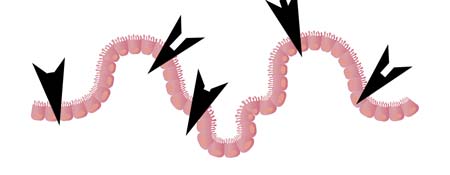
For example, one study found that gliadin in wheat (a gluten protein) could cause enterocytes, the cells lining the intestine, to release zonulin, according to a 2003 Italian study (1).
A lack of mucus that protects this lining, due to a depletion of local gut flora, can also contribute to leaky gut, as can changes in the composition of the microbiome. The situation is complex.
Consequences of increased intestinal permeability
This condition, known as “ leaky gut ”, is often persistent. It allows unwanted particles into the bloodstream, such as fragments of undigested nutrients and components of damaged bacteria ( LPS: lipopolysaccharides). These can trigger immune and inflammatory reactions in the intestinal lining and may also affect the rest of the body, acting as foreign substances that activate our immune defences.
Over time,chronic inflammation, poor nutrient absorption and fatigue may develop, making digestion more difficult and creating a vicious circle.
In modern lifestyles, high stress and poor-quality diets are common, and increased intestinal permeability is widespread.
Changes in intestinal permeability can go unnoticed and may be a starting point for a range of serious illnesses. Strong links have been observed with:
- some autoimmune diseases such as rheumatoid arthritis, multiple sclerosis, coeliac disease and thyroiditis (3)(4);
- insulin resistance and diabetes
- the allergies in general;
- irritable bowel syndrome and colitis , including ulcerative colitis;
- the fatty liver disease (non-alcoholic fatty liver disease) (7);
- cardiovascular disorders, including high blood pressure (7.1);
- the’osteoarthritis;
- the fibromyalgia and chronic fatigue syndrome.
There is now a substantial scientific literature. Here are two examples:
– In dysbiosis, an alteration of the microbiome, a decline in certain bacteria, including butyrate producers such as Akkermansia , which is abundant in centenarians, is associated with a less effective intestinal barrier. Increased permeability can allow LPS, lectins and sometimes bacteria into the bloodstream. These may attach to blood vessels and cause inflammation that could later contribute to cardiovascular disease (7.2).
– In people withosteoarthritis of the knees, researchers have found high LPS levels in the blood and locally in the joints (7.3).
Why does increased intestinal permeability remain poorly understood?
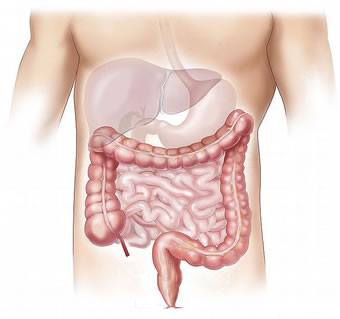 does increased intestinal permeability remain poorly understood?
Digestive symptoms associated with increased intestinal permeability are not specific. Digestive discomfort after meals is often, wrongly, considered more or less normal. In fact, healthy digestion should not cause discomfort or leave us sluggish , but leave us feeling well.
The subject is also not widely taught in medical school.
Persistent digestive problems usually have several contributing causes , one of which may be increased intestinal permeability. Digestive problems are often associated with low digestive secretions, including bile and pancreatic juices, low stomach acidity, an imbalanced microbiome or slow transit linked to fatigue or thyroid problems.
Ayurvedic medicine describes insufficient “ digestive fire ”, which is said to impair food processing and leave excessive waste in the body. The body then derives less energy from food, while toxic waste contributes to illness. This holistic view, like that of naturopathy, is increasingly being explored by science.
Similar approaches are being revisited: food choices, dietary habits, the properties of certain plants and a approach preventive disease and ageing, which remains insufficiently developed in modern Western medicine.
Causes of increased intestinal permeability
The factors associated with “ leaky gut ” are often the same as those associated with an imbalance in gut flora. These should be addressed first. They include:
 exposure to toxic substances, alcohol and certain medicines , including anti-inflammatory drugs, proton pump inhibitors, chemotherapy and antibiotics, as well as food additives…
- irritation of the intestinal lining by excessive amounts of poorly tolerated substances in certain foods, especially antinutrients, lectins, saponins and other compounds in grains, legumes and seeds that have not been prepared (not soaked, cooked or sprouted), excess gluten and wheat gliadin;
- inflammation caused by bacterial or fungal infections or by allergic reactions in the digestive tract;
- certain nutrient deficiencies such as zinc, vitamins A and D, and omega-3 fatty acids;
- imbalances in the bacterial flora of the intestine, especially overgrowth of Gram-negative bacteria or yeasts such as Candida albicans (5), or changes associated with antibiotics, pesticides, chlorinated water or pollutants;
- and stress of a psychological or physical nature. Mental stress and prolonged intense exercise have been shown to increase the spaces between intestinal lining cells;
- and ageing , when many functions tend to become less efficient.
 exposure to toxic substances, alcohol and certain medicines , including anti-inflammatory drugs, proton pump inhibitors, chemotherapy and antibiotics, as well as food additives…
Note that reduced blood flow to the intestine may also increase permeability. During intense exercise, such as an hour at 80% of maximal oxygen uptake, blood is directed preferentially to the muscles, reducing blood flow to the gut. Increased permeability has been observed in marathon runners (2).
How can you recognise leaky gut?
As noted, symptoms are not specific. If several occur together, consult a qualified healthcare professional, who may consider additional tests. The most commonly mentioned include:
– stool analysis (stool examination),
– measurement of IgA andalpha-1 antitrypsin in stool;
– blood measurement of bacterial endotoxins or lipopolysaccharides (LPS-binding protein), markers associated with bacterial fragments crossing the intestinal lining;
– investigation of food intolerance (bloodIgG tests);
– measurement of zonulin in blood or stool;
– measurement of peptides and urinary organic metabolites (UOM), which may also be used to investigate certain food intolerances;
– less readily available: the intestinal permeability test using lactulose and mannitol, and measurement of antibodies IgG against zonulin, LPS and actin.
Few laboratories offer these tests, and most are not reimbursed by the French social security system.
The following non-exhaustive list describes signs that, when several occur together, may raise the question of increased intestinal permeability:
- Low energy and persistent fatigue
- Digestive discomfort: belching, acid reflux, bloating, persistent diarrhoea or constipation, and abdominal pain after meals
- Irritable bowel syndrome
- Food intolerances or allergies
- Generalised itching, eczema, rosacea or psoriasis
- Respiratory or other allergies
- Difficulty gaining or losing weight
- Persistent mood problems, including brain fog, poor concentration or unexplained anxiety and low mood
- Widespread joint or tendon pain
- High blood pressure and arteriosclerosis
- A diagnosed autoimmune condition, such as rheumatoid arthritis, lupus, Hashimoto’s or Graves’ disease, or coeliac disease
- A diagnosed inflammatory bowel condition, such as Crohn’s disease or colonic inflammation
Studies have observed associations between increased intestinal permeability and a range of health conditions. Cardiologist Dr Steven Gundry has focused on the microbiome and related conditions; his books discuss this literature.
How can increased intestinal permeability be addressed?
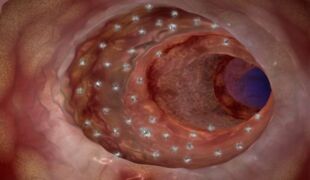 There is no single treatment, just as there is no single cause. A remedy or a specific diet alone will not necessarily restore the intestinal lining. It is also necessary to address the underlying causes .
Chewing
Chewing thoroughly matters. In addition to enzymes that begin digestion, saliva contains epidermal growth factor (EGF), which supports the growth of digestive mucosa.
Choosing foods carefully
The first step is to reduce foods that are difficult to digest. The article recommends avoiding irritating or allergenic substances and, for at least several months, foods that are hard to digest, including:
- foods rich in often poorly tolerated substances such as gluten, casein, lectins and saponins;
- foods rich in complex carbohydrates that can be harder to digest and may ferment in the gut.
Examples include alcohol, seeds and grains unless sprouted, especially gluten-rich grains, refined oils, lectins, FODMAPs, industrial dairy products, food additives and preservatives, and antibiotics.
Avoid high-temperature cooking, especially charred or browned food. More generally, limit sweets and cooked fats.
Conversely, choose wholesome foods especially foods that support recovery and fit an anti-inflammatory diet :
- Fermented foods: kefir, sauerkraut, pickles and kombucha
- Coconut and coconut oil
- If tolerated, organic raw milk and dairy products
- Nuts soaked overnight and sprouted seeds such as flax, chia and hemp
- Omega-3-rich foods: fish, oils, eggs and meat from grass-fed animals, and seaweed
- Aromatic spices and herbs that aid digestion
- Nutrient-rich foods: avocado, broccoli, mushrooms, sweet potato, olives, quinoa, amaranth, seaweed, organic pasture-raised meats, wild fish, cold-pressed oils and most fruits. The author recommends cooking only with olive or coconut oil.
Nutrient deficiencies should be avoided, especially zinc, vitamins A and D, and omega-3 fatty acids, which are important for the cell membranes of the intestinal lining.
Supporting impaired digestion
Potential contributing factors include:
- a lack ofEnzymes , which may occur with age (see this article).
- low stomach acid;
- reduced thyroid function , which should be investigated when digestion is slow or difficult;
- stress and fatigue, which are also major factors in digestive discomfort.
The concept of digestive fire in Ayurveda brings these factors together in a different therapeutic approach that nevertheless overlaps with many points discussed here.
Supporting repair of the intestinal lining
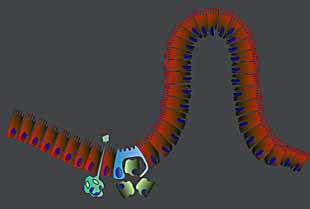
One approach is to nourish the cells that make up the thin intestinal wall, known as enterocytes. Nutrients such as L-glutamine, butyrate, omega-3 are particularly involved and are often used.
Certain plants have long been valued and used for intestinal problems. These include liquorice,aloe vera, mallowand ginkgo biloba.
In Ayurvedic medicine, extract of neem (Azadirachta indica) has antimicrobial properties against certain intestinal bacteria and has been shown to disrupt some unwanted bacterial biofilms. Likewise, vidanga (Embelia ribes) is traditionally used against unwanted bacteria and parasites, to support the intestinal barrier and immune function.
Addressing oxidative stress and inflammation
When present, inflammation and oxidative stress also need attention to support repair of the lining. Antioxidants such as turmeric and quercetin and green tea may help protect enterocytes.
The resveratrol has also shown effects on the intestinal barrier (Y. Wang, 2022).
The N-acetylcysteine is a precursor of glutathione, one of the body’s main antioxidants. This widely available supplement may be relevant to the intestinal barrier (9), especially when inflammation is significant and associated with skin manifestations such as psoriasis or some types of folliculitis. It is often combined with vitamin C and zinc.
Finally, pregnenolone , a precursor of DHEA, has shown protective and restorative effects on the intestinal lining in research (10), including in an induced colon cancer model (11). The author suggests it may be of interest in older adults, whose pregnenolone levels often decline.
Supporting the microbiome
The next step is to support normal gut flora. probiotics , with carefully selected bacterial strains, and fermented foods can sometimes help (but not in every case) to restore balance to the gut microbiome, which is often disrupted when intestinal permeability increases.
Similarly, when necessary, beforehand, overgrowth of unwanted microorganisms, particularly fungi, may need attention. Plant compounds sometimes used include berberine, cinnamon and other aromatic herbs, as well as neem and vidanga. In some cases, targeted antibiotics or antifungal agents may be useful against unwanted microbial overgrowth.
Research has also suggested that intermittent fasting may help rebalance the gut microbiome.
Managing chronic stress
Stress may contribute to increased intestinal permeability, so steps that help manage it can be valuable.
As with many digestive problems, it may be helpful to stimulate the vagal nervous system (see this article) using techniques such as breathing exercises, reflex therapies or specific exercises. The vagal system plays an important role in the gut and digestion and counterbalances the sympathetic nervous system, which can be affected by persistent stress.
Conclusion: leaky gut syndrome
This article aims to explain increased intestinal permeability and how it may develop gradually and go unnoticed. It is an important point to consider when seeking to stay healthy as we age.
At the same time, not every health problem should be attributed to intestinal permeability, even though digestion plays a central role in health.
As always, several contributing factors may lead to increased intestinal permeability. It is often part of a broader digestive problem , including low stomach acid and digestive enzyme production. This may affect nutrient absorption. In many cases, lifestyle adjustments can help address contributing factors.
Anti-ageing and micronutrient supplements may be less effective when increased intestinal permeability accompanies poor digestion and nutrient absorption.
It is important not to overlook digestive problems as we age. Addressing them can support long-term health.


merci pour ce trés bon article
Bonjour, qui consulter pour le diagnostic et les examens sont ils en partie pris en charge ?(je m’inquiète de l’aspect financier, ma gestion du stress n’est pas encore très efficace sur ce point :)
Merci pour les précisions au sujet du trempage des graines et légumineuses, je l’ignorais !
Article très complet et très instructif, qui nous donne les pistes à suivre pour se prendre en charge.
Pour compléter le volet pré-probiotique ci-dessus, le « Regulat », un » concentré complet et équilibré d’acides aminés (précurseurs de la production d’enzymes), de pré biotiques et de phytonutriments … » est souhaitable.
Et, (source : Bruno Lacroix), « le GLP-2 (glucagon-like peptide-2 ) est un acteur essentiel dans l’amélioration de la perméabilité intestinale induite par les prébiotiques au cours de l’obésité et une nouvelle cible thérapeutique dans le cadre de la perméabilité intestinale associée à l’obésité ». Lorsque (source Wikipedia) « Lorsqu’il est administré par voie externe, le GLP-2 produit un certain nombre d’effets chez l’homme et les rongeurs, notamment la croissance intestinale, l’amélioration de la fonction intestinale, la réduction de la dégradation des os et la neuroprotection. »
Les outils (biochimiques) de prise en charge sont nombreux, complémentaires, ce qui va de pair avec une bonne hygiène de vie. Comme signalé dans l’article.
Merci Docteur pour ces explications claires même si quelques mots m’échappent. Tout ceci est vraiment précieux, et parait de bon sens.
Article très apprécié et informatif. Merci
oui. la L-glutamine ne fait pas tout mais elle peut favoriser la régénération des cellules de la muqueuse intestinale. A condition cependant d’éliminer les causes d’irritation et/ou d’inflammation de cette muqueuse. Bien entendu
la glutamine peut elle renforcer la fonction de la barrière intestinale?