


Lectins are attracting increasing attention in health discussions. These proteins, found in some plants and involved in their defences, are sometimes blamed for digestive and other health problems. What do we know about their effects on inflammation and ageing? Is a lectin-free diet really necessary to stay healthy for longer?
What are lectins?
Lectins are proteins found naturally in many plant foods, especially pulses, seeds, nuts, nightshade vegetables and most grains. They help defend plants by making them not digestible for insects or predators. Ricin from castor beans, which is particularly toxic, and wheat germ agglutinin are among them. Some authors also classify gluten in this category. gluten, , which is a different type of protein.
Lectins bind to specific carbohydrates and may interfere with nutrient absorption (1). Foods rich in lectins can be more difficult to digest than others.
Lectins are also found in animals. Humans produce some that help with cell communication and adhesion, immune defence, blood clotting and other functions.
Types of lectins and their effects
Not all lectins are alike. Those in raw kidney beans, for example, can be highly toxic if the beans are not properly prepared. Wheat germ agglutinin (WGA) may also irritate the digestive lining.
Other lectins, such as those in some vegetables, may be less harmful. It helps to distinguish between types and their potential effects.
Why might lectins be harmful?
The effects of lectins on human health remain debated. Some studies suggest they may promote inflammation and digestive problems (2)(3); others consider them safe within a balanced diet. Dr Steven Gundry argues that lectins can worsen many chronic inflammatory conditions (4), although this claim is contested and human studies remain limited.
The available studies raise questions, but the answer may lie somewhere in between.
Lectins may cause problems under certain circumstances, depending in particular on the amount consumed, especially for people with digestive sensitivity. Stomach acid, digestive mucus, enzymes and a healthy gut microbiome may help the body handle moderate amounts.
Effects can vary with individual sensitivity and the amount consumed.
Ageing and weaker digestion
A young person with good digestive health may tolerate these foods without difficulty.
With age, production of mucus and digestive enzymes may decline, and the gut microbiome and digestive function can change. These effects may be greater when dietary habits have been less healthy , for example with excess sugar, processed foods, rushed meals, inadequate chewing or alcohol.
Some medicines, including antacids, antibiotics and anti-inflammatory drugs, can also affect digestion or the microbiome. Environmental exposures may contribute. Digestive capacity can therefore change over time.
Enzyme production may decline and the gut lining may become more permeable (see our article on leaky gut or intestinal permeability). Some foods may become harder to tolerate, and intestinal changes may be associated with low-grade inflammation.
For some people with digestive symptoms, a carefully managed trial reducing lectin-rich foods may help identify triggers.
How lectins affect the body
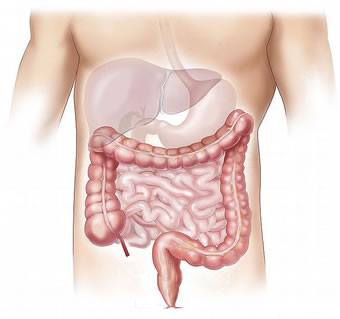 Lectins may affect several body systems, particularly the gut and immune system, and potentially other tissues after entering the bloodstream, including blood vessels, and brain, the joints. Their ability to bind carbohydrates in tissues may affect nutrient absorption and inflammation; proposed links with autoimmune disease remain under study (5).
People sensitive to lectins may experience chronic inflammation , which can affect health over time (6).
Conditions that may improve on a lectin-free diet
Some autoimmune conditions, such as rheumatoid arthritis, lupus and coeliac disease, as well as widespread joint pain, have been reported to improve in some people following a lectin-free diet. Some report reduced inflammation, better digestion and improved energy. Evidence for these claims remains limited.
Dr S. Gundry claims that this diet improves 90% of autoimmune diseases.
 Mental and cognitive health
 Mental and cognitive health
By reducing systemic inflammation, a lectin-free diet might affect mental health. Studies suggest chronic inflammation can affect the brain, cognition and mood (7)(8), although this does not establish that excluding lectins improves these outcomes.
In this context, reducing lectins might help some people with mental clarity or memory; further research is needed.
Effects on the gut microbiome
The gut microbiome plays an essential role in digestion and immunity. Some lectins may disturb this balance, encouraging the growth of harmful bacteria at the expense of beneficial bacteria (9).
A lectin-free diet has been proposed as a way to improve the microbiome and related symptoms, but evidence remains limited.
When might a lectin-free diet be considered?
A lectin-free diet is not suitable for everyone. The article suggests considering a trial in three situations:
- people with digestive difficulties and related health problems, to assess whether it helps;
- people with confirmed inflammatory or autoimmune conditions;
- people exploring whether their symptoms relate to lectin intolerance or gut problems.
For the latter, a trial of around three weeks may help assess symptoms. Changes should be clear and assessed in context. This can also be an opportunity for a broader period of detoxification .
This diet can be restrictive and may lead to nutritional deficiencies if poorly planned. Other dietary approaches, including Mediterranean or ketogenic diets, may also offer benefits without completely excluding lectins. The choice should be tailored to the individual.
Before making such a change, seek guidance from a qualified healthcare professional.
A lectin-free diet in practice
 A lectin-free diet can seem challenging at first, but practical steps can help. In particular, the lectin content of certain foods can be reduced by proper preparation.
Preparing foods properly
With appropriate preparation, fewer foods may need to be avoided.
High-temperature cooking, especially pressure cooking, fermentation, soaking and sprouting may reduce lectins in some foods. Pressure cooking tomatoes or aubergines is one approach discussed by proponents of the diet.
Foods high in lectins
A lectin-free diet generally limits the following foods. Proper preparation reduces lectins in many of them.
- the pulses : lentils, soybeans, beans and peas;
- most grains and pseudocereals, especially whole grains: wheat, rye, oats, buckwheat, quinoa, maize and spelt;
- vegetables in the nightshade family (including tomatoes, aubergines, peppers and potatoes). The original list also includes cucumbers and courgettes. Many became common in European diets after their introduction from the Americas.
- the nuts and seeds unless soakedovernight: walnuts, almonds, sunflower, chia and pumpkin seeds;
- the peanuts and cashews ;
- some fruits.
Click here for a more complete list >
Foods without lectins
Meat, fish, eggs, green vegetables, many fruits and root vegetables, and oils such as olive, avocado or coconut oil are generally included in this approach.
A balanced and nutritious diet can be planned while limiting lectins.
Examples include:
- meat, poultry and eggs, preferably organic;
- oily fish;
- leafy green vegetables;
- different varieties of cabbage;
- seaweed and products made from it;
- fermented foods such as tempeh, pickles, miso, natto, yoghurt, fermented cheese and sauerkraut;
- root vegetables such as carrots, parsnips, beetroot, radishes, turnips and Jerusalem artichokes;
- celery, salsify and swede;
- avocados, berries, chestnuts and cassava;
- chia seeds, rolled oats and various nuts, soaked overnight;
- dark chocolate;
- sesame, sorghum, millet, coconut and products made from them.
These foods can provide micronutrients, antioxidants and essential fatty acids that support skin, brain and cardiovascular health.
Other foods may be included when properly prepared to reduce their lectin content.
Some authors, including Dr Gundry, suggest that meat from intensively raised, grain-fed animals may contain lectins. This remains scientifically unresolved.
Supplements and a lectin-free diet
Some supplements may help balance a lectin-free diet. For example, probiotics, the prebiotics and digestive enzymes may support digestion and a healthy gut microbiome. Omega-3 fatty acids and vitamin D are sometimes used to support health and cognitive function.
In general, prebiotic fibres contain carbohydrates to which lectins can bind. Plant fibre intake is often low in modern diets; increasing it can be beneficial when tolerated.
Essential nutrients should be supplemented according to individual needs and deficiencies.
Mistakes to avoid
Removing entire food groups without nutritious replacements can lead to deficiencies.
Choose a variety of nutrient-rich foods and avoid relying on processed foods simply because they are labelled lectin-free. Replace excluded foods with suitable alternatives.
Conclusion
Keep a balanced view. For some people, reducing lectin-rich foods also means reducing excessive amounts of refined grains, bread, flour and pasta.
First, support good digestion, known as “digestive fire” in Ayurveda (see the Ayurvedic approach here and here how integrative anti-ageing medicine addresses digestive decline).
A lectin-free diet may help some people, particularly with digestion and chronic inflammation. However, this approach remains controversial and is not suitable for everyone.
It is reasonable to ask questions and examine the arguments. Some clinicians strongly dispute Dr Gundry’s claims, while many people report improvements after reducing lectins. Personal reports are valuable but cannot establish cause and effect.
A balanced diet, appropriate preparation and an individual approach may help people who choose to reduce lectins (when appropriate) while supporting long-term health. For further guidance, it is best to assess your individual needs, preferably with a healthcare professional.
Every food contains many components. Some, including macronutrients, essential nutrients, antioxidants and enzymes, contribute to health; others may be less helpful or harmful in some circumstances. Their balance can affect how easily a food is digested.
As in nature generally, context and balance matter. Remember that the dose can make the poison.

Merci pour cet article !
Si vous avez quelsues recettes je suis preneuse 😃
Ce site vous en donnera beaucoup : https://www.nadineprimeau.com/category/recettes/
Il y en a d’autres. Portez-vous bien.
Très instructif.
Merci!
Très intéressantes informations sur les lectines. En regardant la liste des aliments je ne vois pas les huiles de lin ou cameline, que j’utilise beaucoup pour leurs oméga 3 ALA. Est-ce que ces huiles contiennent des lectines ? Merci
Merci pour votre appréciation Patrick. Les lectines sont des protéines non solubles dans une huile. Ainsi les huiles de lin ou caméline, par ailleurs riches en oméga 3 (à ne pas cuire!), sont exemptes de lectines. J’en profite pour insister sur le fait qu’il faut surtout faire en fonction de la sensibilité de chacun, et en tenant compte des quantités. Portez vous bien
C’est l’article le plus clair que j’ai lu sur les lectines. Maintenant pour ceux ou celles qui souhaitent des précisions, il y a 145 000 publications scientifiques ayant ce mot clé dans « pubmed » (publications médicales).
Remarques
– Les œufs qu’ils soient bio ou pas ne contiennent pas de lectine.(pourquoi préciser ‘bio » dans la liste ?)
– La viande. des d’animaux nourris au grains ne contiennent pas de lectine non plus.
– De nombreux aliments riches en lectines sont aussi d’excellentes sources de fibres, de vitamines, de minéraux et d’antioxydants. En les éliminant complètement, on risque de créer des carences nutritionnelles.
– Les fibres présentes dans les aliments riches en lectines sont essentielles à la bonne santé du microbiote intestinal. En réduisant drastiquement leur consommation, on peut déséquilibrer ce microbiote, ce qui peut avoir des répercussions sur la digestion et l’immunité.
Merci pour vos remarques qui aident à rester modérés. . J’espère surtout que mon article laisse comprendre qu’il n’y a pas de vérité absolue dans aucun « régime » mais qu’il s’agit de sensibilité de chacun, et de quantités bien évidemment.
Effectivement, bio ou pas, les oeufs ne contiennent pas de lectines. Les oeufs bio sont juste nutritionnellement meilleurs que ceux d’élevage.
Il y a une polémique sur la présence ou pas de lectines dans la viande d’animaux consommant une grande quantité de céréales. Le dr Gundry s’oppose à d’autres scientifiques sur ce point. De même, la viande d’animal de pâturage est de meilleure qualité. En outre, elle ne contient pas de glyphosate qui peut se retrouver dans les viandes d’élevage intensif et qui peut perturber le microbiote. J’ai modéré encore plus la chose suite à votre commentaire.
Oui, certains aliments contenant des lectines contiennent aussi des fibres et des bons nutriments. L’un n’empêche pas l’autre. Comme je le précise, un aliment est une somme de nutriments et parfois d’anti-nutriments comme les lectines ou d’autres, soit : du bon et du moins bon. Rien n’est tout blanc rien n’est tout noir. Eviter les lectines n’est pas nécessaire pour tout le monde, comme je l’explique.
Si l’on élimine un aliment (quel que soit le régime) il faut le remplacer par d’autres qui apportent aussi des nutriments essentiels et des antioxydants. Ce n’est pas très difficile ici, surtout qu’en préparant bien ses aliments, il y a au final peu d’aliments à éviter si l’on veut moins s’exposer aux lectines. Vous avez raison de parler de carences possibles, je le dis aussi dans l’article (« éliminer complètement certains groupes alimentaires sans les remplacer par des alternatives nutritives peut conduire à des carences »).
Enfin, oui il faut des fibres prébiotiques dans l’alimentation (d’autant plus qu’on en manque très souvent et qu’elles aident à éliminer les lectines qui peuvent se lier à elles). On en trouve beaucoup dans les végétaux sans lectines.
En conclusion, on peut ici polémiquer sur certains points, et comme je le dis il y a des débats qui restent ouverts. Cependant, sur le fond, les données scientifiques sont très intéressantes, et dans la pratique médicale on constate très souvent des améliorations dans les troubles de santé cités plus haut qui ne peuvent pas laisser indifférent un praticien, et méritent qu’on s’y intéresse même s’il n’y a pas d’avis tranché.
Merci pour votre participation toujours constructive.
Hi bro,
il ne fau(drai)t pas oublier l’importance de « l’absorption » digestive des aliments en général: La majorité des soucis digestifs viennent d’une mastication insuffisante ( incomplète souvent) qui épuise les étages inférieurs ( leaky-gut) et aboutit à l’intoxication globale :(fermentation/putréfaction/dysbiose). Beaucoup engloutissent la nourriture sans broyage ni donc salivation pertinente. Une denture en parfait état + la rééducation masticatoire, ça doit être la première étape. Or, personne n’en parle. .
Abrazo y suerte.
C’est très juste. Manger trop vite et mal mastiquer font partie des grandes causes de notre déclin digestif. Il n’y a pas que la mauvaise alimentation et le stress. J’avais toutefois cité les repas trop rapides mais je m’empresse de rajouter la mastication cher confrère, et néanmoins bro. ;-)