


Our modern diet is far from what we need to stay healthy.
Here, among other things, is what should be avoided to have a healthy diet and optimize health and longevity:
The 9 main mistakes that undermine you while eating
1  too quick meals, lack of chewing:
This leads to poor digestion, poor absorption, and disruption of the gut microbiota. Chewing well is quite simple but too often forgotten and essential.
2 poor quality and poor preservation of foods:

Be especially mindful of the freshness of foods and their origin (organic, farms…). Vitamins, enzymes, and antioxidants deteriorate in light, air, and heat, for example.
3 overly processed foods:
Especially if they come from the agri-food industry, ready-made meals, snacks, sodas, etc. They lack fiber and essential micronutrients. They are too high in sugars, trans fatty acids, packed with additives and preservatives… They promote demineralization and obesity.
 4 too many «fast» sugars and refined flours:
 4
This is the great scourge of modern nutrition. These products with high glycemic index (sweets, pastries, croissants, pasta, bread, sodas…) are addictive and lead to a disruption of carbohydrate metabolism (insulin resistance), obesity, glycation, acidification of the body, accelerated aging…
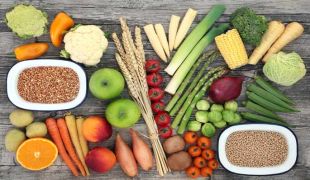
5 not enough plant-based foods:
This leads to a lack of fiber, minerals, vitamins, a slowdown in intestinal transit, and a tendency towards the’acidification.
 6 overcooked foods, not enough raw:
 6
They promote a lack of vitamins and essential fatty acids, destroyed by heat. Cooking above 100-120° destroys certain vitamins and the fragile enzymes. It promotes the degradation of unsaturated fatty acids, leading to a lack of essential fatty acids (especially of’omega-3) but also to the formation of’«trans» fatty acids» dangerous for health.
Moreover, high cooking can lead to the production of certain harmful substances through protein glycation (see the article on glycation) : grilled, caramelized, charred, smoked foods, etc… Here, sugars bind to the proteins in tissues, which increases their aging.
Cooking should only aid the digestion of certain foods but not degrade them into indigestible or even toxic compounds.
7 snacking between meals:
This starts a new digestion cycle while the stomach is not yet empty. Thus, some foods will be poorly digested and others too much, leading to the passage of unsuitable substances to the intestine which will suffer.
8 foods not suited to personal digestive capacities:
notably dairy products, foods rich in lectins (including the gluten) or others antinutrients, Food intolerances various… A food may be excellent for some and poison for others.
9 the mixtures of foods harmful to good digestion:
for example, there seems to be agreement on the incompatibility fruits + meats and acidic fruits + cereals, which promote excessive fermentation and intestinal putrefaction.
Trying to gradually correct the 9 points is easier than wanting to change radically, but again, it’s a matter of the individual. In any case, it is easier to achieve when we understand why these dietary mistakes harm our health.
You are exaggerating by saying that the tomato loses 50% of its vitamin C after 2 days following its harvest. In that case, there is no more life. Let’s be honest
Belette's comment seems to be quite close to reality. Some plants, especially fruits (like tomatoes), lose vitamin C very quickly. For example, in a study, the vitamin C content of blueberries was more than 50 mg/kg fresh but more than 20 mg/kg after 3 days in the refrigerator (R. Burch. Nutritional content of fresh vs frozen foods. Leatherhead Food Research. 19/04/2013).
Et, selon LaNutririon.fr : « Les pertes de vitamine C pour des végétaux stockés à 4°C pendant 7 jours vont de 15% pour les petits pois à 77% pour les haricots. « .
Quand on sait que la tomate perd la moitié de sa vitamine C en 2 jours après sa récolte, ça pousse à faire son potager ou à aller cueillir soi-même ses fruits et légumes en ferme ouverte. Et pour ceux qui vivent en ville comme moi, on choisit des fruits et légumes de saison en espérant qu’il n’ont pas trop tardé avant d,arriver dans les rayons du super ou au marché de quartier.
Ce serait bien utile pour la santé publique qu’il y ait une règlementation d’affichage de la date de récolte sur ces produits
Bonjour, comment avez-vous eu cette information concernant la diminution de la vitamine C ?
Sincerely