

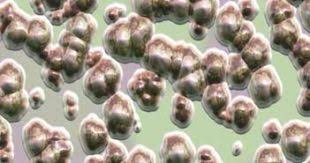
 A recent study by the Institute for Systems Biology (ISB) shows that depending on the type of gut microbiota (the composition of the microbial flora that permanently inhabits our intestines), aging occurs in more or less good health. This would consequently affect longevity.
The microbiota changes after 50 years old
Researchers analyzed the gut microbiota and health status of more than 9000 people aged 18 to 101, particularly focusing on the group over 78 years old. In this latter group, they found that the microbiota changes in its composition as it ages, becoming increasingly «unique,» but that the different microbiotas of healthy individuals all ensure similar metabolic functions.
Our bacteria produce anti-aging substances
Correlatively, higher concentrations of certain metabolites produced by microbes in the intestines were measured in the blood of the subjects. Thus, it seems that changes in gut flora during healthy aging are linked to the production of certain metabolites, the effects of which on longevity are already known, such as indole for example.
It is known that certain types of gut bacteria transform tryptophan (an essential amino acid) into indole, which enters the bloodstream. It has been shown that indole extends lifespan in mice and reduces intestinal inflammatory processes.
Another microbial metabolite, phenylacetylglutamine, is found in large quantities in the blood of centenarians.
Ultimately, it is observed that microbial floras, continuing to evolve in advanced age, would help better maintain health and improve longevity, in relation to the common production of certain metabolites (like the 2 examples mentioned earlier). These changes would mainly occur after the age of fifty.
Not all microbiotas evolve well
Dr. Sean Gibbons, co-author of the study, describes two types of microbiota aging:
- one with « a decline in core microbes and an increase in the uniqueness of the microbiota» (in individuals who age in better health)
- one with « the maintenance of core microbes in individuals in poorer health« .
The study of the microbiota could thus « predict the survival of subjects during the last decades of life« .
All of this is very interesting. It remains to be seen and understood how we can assist this evolution of the microbiota for better aging. We already know some principles for developing a more or less healthy microbiota (diet, lifestyle, probiotics, prebiotics, fasting, physical activity...) that we can reflect on.
Hippocrates said: health begins in the intestine.
In any case, this study reinforces the idea of the‘importance of our gut flora in healthy aging, and maintaining fitness.
See here our article on the microbiota, its maintenance, and age >
The disappearance of many species of bacteria in the microbiota is becoming increasingly concerning for our health. This is largely a consequence of the overconsumption of antibiotics and additives.
Hippocrates said health begins in the intestine. Thank you for your site for upholding the principles of millennia-old medical traditions. Especially for a doctor, this is quite rare.
thank you for the info. for me, it’s kefir that maintains my microbiota like the ancients and the tradition that has always been right