

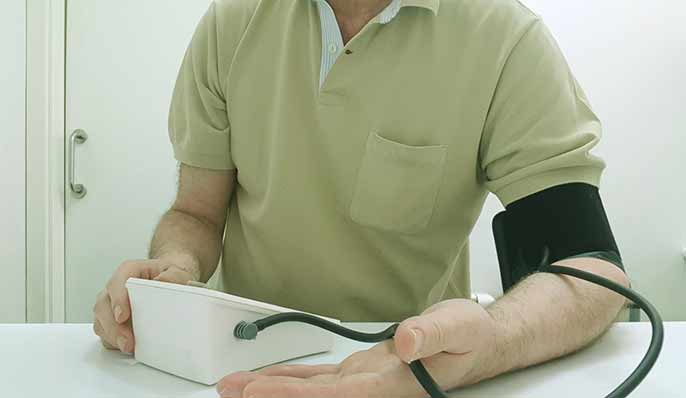
High blood pressure affects a large portion of adults over 40. Often silent, it gradually strains the arteries, accelerates aging of the vessels and the heart, and increases the risk of heart attack or stroke [1][2].
The good news is that there are simple, natural, and scientifically validated ways to lower blood pressure, sometimes as effectively as certain mild medication approaches [2][3].
Here are the most useful, concrete, and applicable strategies for daily life.
- Increase potassium intake
- Eat enough protein, especially from the sea
- Isometric exercises: very effective
- Reduce high glycemic index carbohydrates
- Managing stress: a key factor often overlooked
- Useful dietary supplements and natural remedies
- Salt: a reality more nuanced than we think
- In conclusion, the global approach
Increase potassium intake
Potassium plays a central role in regulating blood pressure. It works by promoting the elimination of sodium by the kidneys and improving the flexibility of blood vessels [5].
In practice, this means eating more plant-based foods. Consume vegetables at every meal (at least 400 to 500 g/day).
To prioritize:
- green vegetables (spinach, broccoli, zucchini…),
- legumes (lentils, chickpeas…),
- avocado,
- whole fruits (for bananas, in moderation in case of glycemic issues)…
Simple goal: vegetables at every meal, ideally 400 to 500 g per day.
Eat enough protein, especially from the sea
An adequate protein intake supports metabolic balance and vascular health. Marine proteins also provide Omega-3 fatty acids, unsaturated fatty acids known for their cardiovascular protective effects (see our article omega 3 and longevity) [2].
In practical terms:
- aim for about 1 to 1.2 g of protein/kg of your weight/day,
- consume fish 2 to 3 times a week (sardines, mackerel, salmon),
- combine plant and animal proteins.
These nutrients help reduce inflammation and improve vessel function.
Isometric exercises: very effective
Isometric exercises (muscle contraction without movement) are now among the most effective approaches to reduce blood pressure [4].
 The most useful:
- plank,
- wall sit,
- holding a squat position with weights.
Here is a simple protocol to implement:
- 2 to 3 times a week,
- 3 to 4 sets of 1 to 2 minutes,
- recovery of 1 to 2 minutes.
These exercises improve vascular function and decrease arterial resistance [4].
Reduce high glycemic index carbohydrates
A diet high in so-called "fast" sugars promotes insulin resistance, inflammation, and arterial stiffness (see our article "are you insulin resistant?") [8].
 To limit:
- sugar, sweet drinks and sodas,
- pastries, baked goods,
- white bread, pasta, white rice, sushi…
- ultra-processed products (especially snacks, chocolate bars or cereal bars, candies…).
To prioritize:
- seasonal vegetables,
- legumes,
- various nuts,
- foods higher in fiber (see this article fiber and anti-aging), which also improves the microbiome (gut flora) and likely longevity.
Stabilizing blood sugar helps reduce the activation of the sympathetic nervous system (the one related to stress) involved in raising blood pressure [8].
Managing stress: a key factor often overlooked
Chronic stress keeps the nervous system in a state of alert, which sustainably increases blood pressure [6]. Conversely, activating the 'rest' (vagal) system allows for the relaxation of blood vessels and lowers pressure.
Stimulating the vagal system in particular
Most anti-stress or relaxation techniques go in this direction.
The vagus nerve is a central element of the parasympathetic nervous system (or 'vagal'), which slows the heart rate and promotes relaxation and repair. Its stimulation is now considered a major tool for regulating blood pressure [7].
How to activate it concretely:
- slow and deep breathing (e.g.: cardiac coherence) [6],
- having a longer exhalation than inhalation,
- singing, laughing, gentle touches, gargling (mechanical stimulation of the vagus nerve),
- exposure to cold (fresh water on the face),
- meditation and relaxation, etc…
This vagal stimulation decreases the activity of the sympathetic nervous system (“stress mode”), promotes a decrease in heart rate and blood pressure by triggering a vascular relaxation [6][7].
Useful dietary supplements and natural remedies
Some supplements and natural active ingredients have shown a modest but real effect on blood pressure, in addition to hygienic-dietary measures.
The most interesting ones:
 Magnesium : contributes to vascular relaxation and regulation of the nervous system. Several meta-analyses show a moderate decrease in tension, especially in cases of deficiency [10].
- Omega-3 (EPA/DHA) : decrease inflammation and improve endothelial function. Mild but significant hypotensive effect, especially at sufficient doses (≥ 2 g/day) [11].
- Coenzyme Q10 : involved in mitochondrial energy production, it also improves vascular function. Some studies show a notable reduction in blood pressure [12].
- Garlic (especially aged extract) : vasodilatory and anti-inflammatory effect. Several clinical trials show a decrease in blood pressure in hypertensive patients [13].
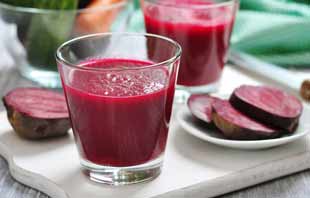
- Beet juice (rich in nitrates) : increases the production of nitric oxide (NO), which promotes the dilation of blood vessels [14].
- Hibiscus (infusion) : effect comparable to certain mild treatments in some studies, with good tolerance [15].
 Magnesium : contributes to vascular relaxation and regulation of the nervous system. Several meta-analyses show a moderate decrease in tension, especially in cases of deficiency [10].
Other interesting plants
- Olive (leaves): in standardized extract, hypotensive effect demonstrated in several clinical trials, particularly through its polyphenols. Olive buds are also used in gemmotherapy for their hypotensive and cardiovascular regulating effect [16].
- Hawthorn : traditionally used to support heart function. Some studies suggest a moderate beneficial effect on blood pressure and vascular function [17].
- Green tea : rich in catechins, it helps improve endothelial function and may slightly reduce blood pressure [18].
- Cocoa : improves vasodilation through the production of NO, with a modest but measurable effect on blood pressure [19].
- Turmeric (curcumin) : anti-inflammatory effect and possible improvement of vascular function, with an indirect impact on blood pressure [20].
In practice, these plants can provide interesting complementary support, especially in a holistic approach. Their effect generally remains moderate but can become significant when added to other lifestyle actions (diet, exercise, stress management…).
Salt: a reality more nuanced than we think
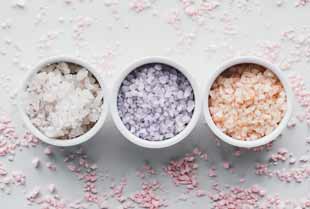
It is often said that one must absolutely reduce salt to lower blood pressure. In reality, the relationship between sodium and blood pressure is more complex [9].
Individual sensitivity
Some people are sensitive to salt (their blood pressure increases with high intake), while others are much less so.
Sensitivity is more common:
- with age,
- in case of overweight,
- in the presence of insulin resistance.
 Why do studies differ?
 Why do studies differ?
Some studies show a modest effect of salt because not all individuals react in the same way. Moreover, the effects are diluted in the averages and other factors (overall diet, potassium intake, metabolism…) play a major role and are difficult to account for [9].
The real key point: sodium/potassium balance
What seems to be decisive is not the salt alone, but the imbalance of the modern diet:
- too much sodium (processed industrial foods)
- not enough potassium (lack of vegetables) [5].
A diet rich in vegetables often allows for better tolerance of salt.
In practice
Rather than abruptly eliminating salt:
- mainly limit processed products,
- avoid excesses,
- significantly increase plant intake.
In conclusion, the global approach
Here’s what we will remember to lower blood pressure naturally. This is based on a global approach:
- increase intake of potassium,
- consume proteins of quality,
- practice isometric exercises,
- reduce carbohydrates with high glycemic index,
- better manage the stress and stimulate the vagal system,
- rebalance your diet rather than simply "eliminating salt".
When applied together, these strategies can produce visible results in a few weeks. This set of actions provides a solid foundation for improving blood pressure but also, more broadly, rslow down cardiovascular aging.


Leave A Comment