

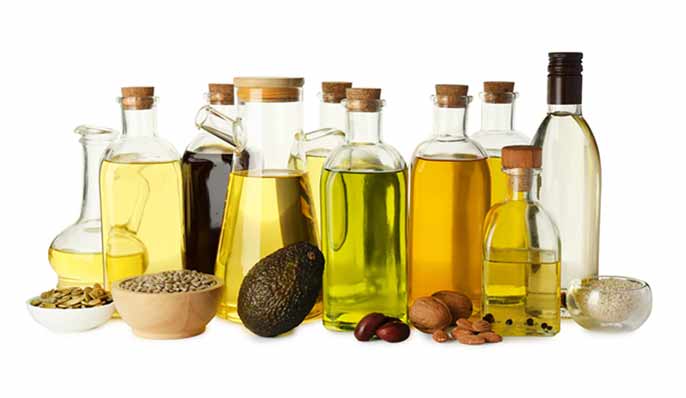
When we talk about harmful foods in anti-aging, most people immediately think of sugars, ultra-processed foods, or excess calories… However, another important category of foods is often overlooked: vegetable oils, which can account for a third of our daily caloric intake in some countries.
The paradox may be surprising. Because they are « plant-based », most people spontaneously imagine that they must be healthier. For decades, they have even been presented as a better alternative for health than animal fats.
The reality is more subtle. Some vegetable oils are indeed beneficial for health and longevity. Others, when consumed in excess, and especially in their industrial modern form, can contribute to chronic inflammation, accelerated aging, and metabolic diseases.
A discreet… but massive presence
You may never add soybean oil or corn oil to your cooking. Yet, you probably consume it almost every day.
They can be found in:
- prepared dishes,
- industrial cookies,
- breakfast cereals,
- chips and snack products,
- sauces,
- industrial pizzas,
- fast food products,
- fried foods,
- many dishes served in restaurants…
The main oils concerned are:
- soybean oil,
- corn oil,
- refined sunflower oil,
- industrial rapeseed oil,
- cottonseed oil,
- peanut oil,
- safflower oil…
The problem is not their occasional consumption. The problem is that they are everywhere.
Silent inflammation accelerates aging
One of the major concepts in longevity medicine is that of’chronic inflammation low intensity, sometimes referred to as «inflammaging.».
This silent inflammation causes neither pain nor fever. It acts slowly over the years. It is now implicated in:
- atherosclerosis,
- type 2 diabetes,
- abdominal obesity,
- neurodegenerative diseases,
- age-related muscle loss,
- certain autoimmune diseases,
- several cancers…
Some industrial oils are particularly rich in omega-6. Omega-6 is essential for life and should not be eliminated. The problem comes from the imbalance.
Our ancestors probably consumed between 2 and 4 times more omega-6 than omega-3. Today, this ratio frequently reaches 15 to 20 to 1 (see our article on the differences between omega 3/omega 6).
This imbalance promotes a more inflammatory environment.
Your mitochondria do not like excess oxidation
 Mitochondria are the energy powerhouses of our cells. They produce ATP (our energy fuel) which allows our brain, muscles, heart, and immune system to function properly (learn more about energy and mitochondria).
However, some oils rich in polyunsaturated fatty acids are particularly sensitive to oxidation when exposed to heat. The longer they are heated or reheated multiple times, the more they produce toxic oxidized compounds.
This oxidation contributes to cellular oxidative stress, one of the major mechanisms of biological aging.
The most problematic situations are:
- fried foods,
- oils reused for several days in restaurants,
- industrial fried foods,
- prolonged cooking at high temperatures…
This probably explains why some people experience unusual fatigue, a feeling of heaviness, or bloating after certain meals eaten outside or heavier meals.
Not all vegetable oils should be put in the same basket
It would be wrong to conclude that all vegetable oils are bad. Some, on the contrary, are among the most studied foods regarding longevity. The most well-known example is the’extra virgin olive oil.
Rich in omega-9 and protective polyphenols, it is one of the cornerstones of the Mediterranean diet, regularly associated with better cardiovascular health and a longer life expectancy.
The goal is therefore not to eliminate fats but to choose them better.
The good fats to prioritize
Fats rich in omega-9
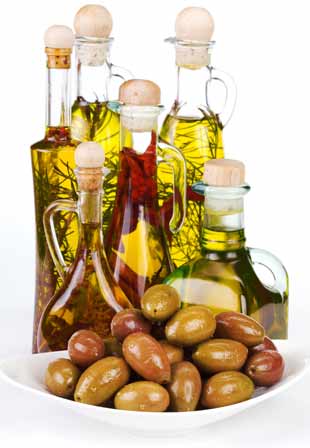 They are generally stable and well tolerated. You can cook with these oils. The best sources are:
- extra virgin olive oil,
- olives,
- dates, grapes, figs, walnuts, and almonds,
- avocado oil…
Fats rich in omega-3
Omega-3s contribute to:
- brain function,
- the fluidity of cell membranes,
- the regulation of inflammation,
- cardiovascular health…
The best food sources are:
- small fatty fish (sardines, mackerel, herring, anchovies…),
- wild salmon,
- various nuts,
- flaxseeds, chia seeds, and hemp seeds…
Two weekly servings of small fatty fish already represent an excellent anti-aging habit for a good intake of omega-3, provided they are not overcooked or too grilled.
Omega-3 fatty acids are altered by high-heat cooking where they can then oxidize and turn into toxic fats!
Which oils to use in practice?
For seasonings:
- extra virgin olive oil,
- walnut oil,
- camelina oil,
- flaxseed oil,
- hemp oil…
For gentle cooking:
- extra virgin olive oil,
- quality butter,
- ghee (clarified butter),
- avocado oil…
For higher cooking temperatures:
- ghee,
- coconut oil,
- duck fat,
- traditional beef/sheep fat…
These fats are more stable at heat and produce fewer toxic compounds and oxidation.
Your 5 actions to implement starting today
- Always check the ingredient list of industrial products.
- Limit foods primarily containing soy, corn or refined sunflower oil.
- Replace your usual cooking oil with an extra virgin olive oil or’olive vierge extra ou de coconut.
- Consume fatty fish once or twice a week.
- Favor natural foods, unprocessed, and home cooking.
These five simple changes are already enough to profoundly modify your lipid profile over the following months.
A matter of context rather than prohibitions
It is not about demonizing an oil consumed occasionally or living in constant fear of every meal taken at a restaurant. Longevity is primarily built through habits repeated over the years.
Gradually reduce industrial oils rich in omega-6, reintroduce more omega-3, and favor more stable fats, which probably represents one of the simplest nutritional gestures to support metabolic health, protect mitochondria, and slow down certain mechanisms of biological aging.
In terms of anti-aging, the question is therefore not only about eating less sugar. It is also about choosing the right fats to nourish your cells for the decades to come.
For one week, simply look at the labels of the foods you usually buy. You will likely be surprised to discover how prevalent soybean, sunflower, or corn oils are in our modern diet.
Do you want to know your nutritional needs, your potential inflammation level, or your anti-aging priorities?



Personally, I avoid coconut and palm oils that are high in saturated fats.
Thank you for sharing your opinion. Yes, palm oil is made from long-chain saturated fatty acids, and especially it is very refined and heated, which produces toxic compounds (not to mention the ecological damage). On the other hand, coconut oil has a lot of MCTs (medium-chain fatty acids) that are directly assimilable and usable for energy production. Moreover, it is generally virgin.
Saturated fats are not to be banned for themselves. It is the excess that is harmful. An excess of omega 6, or even omega 3, can also be bad for health.
Best regards.