


Recent discoveries about the microbiome and its role in health have drawn growing attention to postbiotics. What are they? Why do they matter in the Mediterranean diet, and what could they mean for longevity?
After probiotics and prebiotics, meet postbiotics
Postbiotics are bioactive compounds produced when probiotic bacteria ferment dietary fibre or other foods in the gut. Researchers have been studying them more closely in recent years.
Unlike probiotics (see this article), which are microorganisms that are living, the postbiotics are by-products (metabolites) of fermentation. They may include:
- short-chain fatty acids,
- antimicrobial peptides,
- polysaccharides,
- enzymes,
- vitamins and more.
Postbiotics can therefore be present in fermented foods and drinks even after sterilisation, which may destroy live probiotic organisms but leave some of their compounds intact.
Cooked sauerkraut, for example, is unlikely to provide many living bacteria, but it may still supply postbiotic compounds that help support the gut environment.
As for prebiotics, these are indigestible substances that feed beneficial bacteria, especially fibre-rich foods containing complex carbohydrates.
Postbiotics are being studied for several possible health effects, including:
- Anti-inflammatory and antioxidant effects
- Support for immune function : they may help moderate excessive immune responses and defend against gut pathogens.
- Support for the intestinal barrier : postbiotics may strengthen the gut barrier and help limit what is sometimes called “ leaky gut ”, when unwanted particles pass into the bloodstream.
- Metabolic effects : some postbiotics may influence glucose regulation and improve insulin sensitivity, with potential relevance to type 2 diabetes.
 California-based Dr Steven Gundry has written many books about the microbiome and its links to health. We find his work extensively referenced (although he tends to focus heavily on lectins). He describes postbiotics as important mediators of gut health. In his view, they amplify the benefits of probiotics: the compounds these organisms produce may matter as much as the organisms themselves.
Dr Gundry also suggests that postbiotics may support mental and cognitive health, partly by reducing inflammation and supporting the blood–brain barrier, which helps regulate what passes from the bloodstream into the brain.
In one interesting experiment, researchers assessed microbiome diversity after adding prebiotic fibre, which feeds gut bacteria, to participants’ diets. After six months, diversity had increased little. The researchers then compared this with a fibre-rich diet that also included fermented foods: microbiome diversity improved more markedly in that group.
Postbiotics and longevity: what does the science say?
Postbiotics are attracting attention in longevity research because they may influence biological pathways involved in ageing. Some studies have reported effects relevant to healthy lifespan.
1. Reducing oxidative stress and chronic inflammation
Ageing is often associated with greater oxidative stress and low-grade inflammation (sometimes called “inflammaging”). Some postbiotics, particularly short-chain fatty acids such as butyrate and propionate, have shown anti-inflammatory activity and can reduce the production of pro-inflammatory cytokines.
Some bacterial fragments classified as postbiotics may also improve immune tolerance as we age.
To assess aspects of your oxidative and inflammatory health, you can use our health assessment here >
2. Effects on gut health as we age
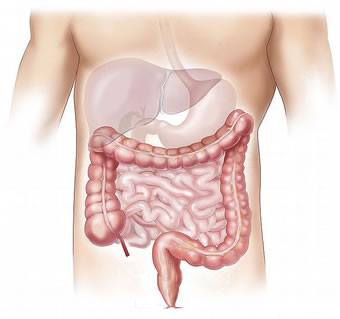 Gut microbiome diversity often declines with age, and this imbalance is associated with several age-related conditions. Postbiotics may help restore the intestinal barrier and support production of mucus and antimicrobial peptides.
The butyrate fuels cells in the intestinal lining, supporting renewal and local immune function. A healthy barrier may limit the passage of bacterial fragments and other unwanted substances into the bloodstream.
3. Recent studies of postbiotics and longevity
- In a study in fruit flies (Lee et al., Cell Reports, 2019), postbiotic supplementation significantly increased lifespan , possibly through effects on mitochondria and oxidative stress.
- In mouse models (Wang et al., Aging Cell, 2022), butyrate and other bacterial postbiotics were associated with longer lifespan, better cognitive performance and changes in cellular senescence.
- In studies involving older adults (Odamaki et al., Beneficial Microbes, 2020), postbiotics derived from Bifidobacterium longum improved markers of gut health, reduced inflammation and increased reported vitality.
The Mediterranean diet: rich in postbiotics
The Mediterranean diet is widely considered a sound dietary pattern and may support longevity. It includes several traditional fermented foods that may contribute to its well-known health benefits.
Here are some fermented foods commonly found around the Mediterranean:
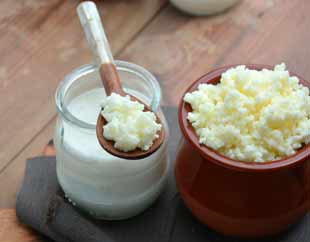 1. Yoghurt
Fermented from milk and eaten in many Mediterranean countries, yoghurt can contain probiotics and their fermentation products that may benefit gut health.
2. Kefir
Traditionally associated with the Caucasus, kefir is also consumed around the Mediterranean. This fermented milk drink contains a variety of bacteria and yeasts and may support digestion and immune function.
3. Fermented cheeses
– Feta: a traditional Greek sheep’s or goat’s milk cheese, often fermented and kept in brine; it contains lactic acid bacteria.
– Pecorino: an Italian sheep’s milk cheese sometimes fermented with lactic acid bacteria.
– Parmesan: a hard Italian cheese aged over a long period.
4. Fermented olives
Olives are often fermented in brine and feature in Greek, Italian, Spanish and North African cooking.
5. Sourdough bread
Made with a natural starter containing lactic acid bacteria and wild yeasts, sourdough bread is traditional in many Mediterranean regions. Fermentation may make it easier to digest.
6. Wine vinegar
Produced by fermenting wine, it contains organic acids and bioactive compounds.
7. Fermented vegetables
Some fermented vegetables, including gherkins, peppers and capers, are eaten around the Mediterranean. Depending on preparation, they contain beneficial bacteria, fermentation products and enzymes.
These fermented foods add nutritional variety to the Mediterranean diet and may contribute to its health benefits.
Could postbiotics support healthier ageing?
Other postbiotics
Other examples of fermented foods include:
- Sauerkraut raw – white cabbage naturally fermented in brine, containing vitamin C and lactobacilli.
- Kimchi (Korea) – Chinese cabbage and vegetables fermented with chilli, garlic and ginger.
- Pickles naturally fermented (gherkins, carrots or radishes in unpasteurised brine) – tangy, crunchy and rich in lactobacilli.
- Miso (Japan) – fermented soybean paste, sometimes made with rice or barley, containing bioactive peptides and used as a seasoning.
- Tempeh (Indonesia) – soybeans fermented with a Rhizopus fungus, rich in protein, with a firm texture and nutty flavour.
- Natto (Japan) – sticky soybeans fermented with Bacillus subtilis, rich in vitamin K2.
- Kombucha – a sparkling drink made by fermenting sweetened tea with a culture of yeasts and bacteria.
- Dry cider – fermented apple juice containing polyphenols and, when unfiltered, yeasts.
- The apple cider vinegar from apples
- Lacto-fermented vegetable juices homemade (carrot, beetroot, celery and others) – containing organic acids and fermentation products.
- Fermented cured meats such as dry sausage, salami and chorizo, fermented with lactic acid bacteria.
- Fermented fish : herring, trout and shark, as eaten in Nordic countries.
How can we use postbiotics for healthy ageing?
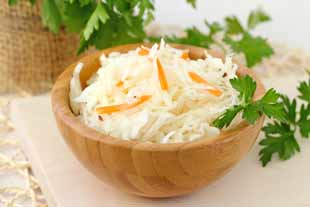 Including fermented foods regularly may help support a healthier gut microbiome and healthy ageing.
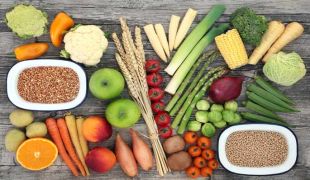
Remember to include foods rich in prebiotic fibre, such as vegetables, fruit, pulses and moderate amounts of whole grains. These fibres help gut bacteria produce their own beneficial compounds.
If a more targeted approach is needed, supplements containing postbiotics are becoming available. Food remains a natural place to start.
Fermented foods can be less well tolerated by people with digestive imbalance or small intestinal bacterial overgrowth (SIBO), and may cause bloating. Address the underlying problem and start with small amounts.
A healthy lifestyle also supports a balanced microbiome and may complement the benefits of fermented foods.
Future research
Research into postbiotics is still in its early stages. Scientists are exploring their potential role in age-related conditions, including neurodegenerative and cardiovascular diseases. Future studies may lead to specific postbiotic formulations to support healthy ageing.
For now, including fermented foods in your diet is one simple way to support your health as you age.


A mon avis, Ces informations sont majeures.
Je vais modifier mon alimentation.
Le reste de mon hygiène de vie est correct.
Thank you
Francoise