


The gut and its microbial community are inseparable and fundamental to healthy ageing. Beyond nutrient absorption, waste elimination, immune defence and mood, the gut microbiome is also linked to longevity.
Reviewed and updated on 18 April 2024
If you want to live a long and healthy life, looking after your gut and its inhabitants matters. Your microbiome plays a crucial role in digestion, absorption and elimination. A growing body of research links it to immunity, brain function and energy metabolism, as well as longevity and age-related conditions such as diabetes, neurodegenerative and cardiovascular diseases.
Taking care of it may help support health as you age.
The gut: nutrient absorption and waste elimination
Hippocrates placed the gut at the centre of health. It is where our bodies interact with the substances we ingest, absorbing nutrients used to build and renew tissues. Ayurveda also considers the gut an important starting point for many health problems.
Poor digestive function can interfere with nutrient absorption and waste elimination. Digestive problems may also be associated with symptoms such as fatigue, inflammation or changes in mood.
 Healthy gut function depends on:
- good function of the stomach, liver and pancreas, supported by:
- thorough chewing and mixing food with saliva;
- normal production of digestive juices, acids and digestive enzymes which may be affected by stress, diet and ageing;
- a balanced community of gut microbes;
- a healthy intestinal lining, including its permeability (see below);
- an appropriate rate of transit through the digestive tract, supported by muscular contractions called peristalsis;
- adequate energy and hormonal balance, without prolonged depletion from chronic stress.
A major decline in digestive function with age may affect overall health (see how poor digestion can affect ageing).
The gut flora or intestinal microbiome
The healthy gut microbiome
The gut works alongside a community made up mainly of bacteria, but also yeasts, fungi, parasites and viruses. Most live in the colon. The original article estimates 100 trillion bacteria, ten times the number of human cells; estimates have since been revised and vary between individuals. Thousands of microbial species have been identified.
Each person has a unique mix of microbial species , with effects on health that researchers are still exploring. These microbes are sometimes estimated to account for around 1.5 kg of body weight. Their many functions have led researchers to consider the microbiome an important functional partner of the body. They are essential to health. These organisms live in partnership with us.
For example, the microbiome helps us:
- à digest and absorb some substances;
- produce certain vitamins and other nutrients;
- support immunity and protect against potentially harmful microorganisms and substances;
- and may influence energy metabolism andmood , including through compounds involved in nerve signalling.
Gut bacteria feed on plant fibres our bodies cannot digest, known as prebiotics. In turn, they produce compounds including lactate, short-chain fatty acidsand other bioactive substances, sometimes called postbiotics.
Some gut bacteria carry out fermentation particularly of fibre and carbohydrates, while others break down proteins through putrefaction . Protein breakdown can produce compounds including ammonia, phenols, indoles and biogenic amines.
These microorganisms play important roles in health. Frequent antibiotic use and aspects of a highly processed diet can disrupt the microbiome.
How the microbiome changes with age
The microbiome is relatively stable in adulthood, but changes in diet, medicines, transit and digestion can alter it with age.
Microbial diversity may decrease with age, although patterns vary. Some potentially harmful bacteria may become more abundant and interact with inflammation and intestinal permeability (Garcia-Peña et al., 2017).
Changes may occur alongside lower levels of beneficial bacteria such as lactobacilli and bifidobacteria. The balance between major bacterial groups can also shift.
In people over 105, researchers have observed greater abundance of certain bacterial groups, including Akkermansia, bifidobacteria and Christensenellaceae (Biagi et al., 2016). These organisms may help regulate inflammation and support immune function.
Bifidobacteria are common in breastfed infants and may become less abundant later in life. Studies suggest that some strains may benefit older adults.
Researchers have explored whether microbiome composition can help estimate a person’s age (Zhavoronkov, 2019).
Protein breakdown may also increase putrefaction in the gut, producing substances that the body must process.

Ageing may be accompanied by changes in immunity and low-grade systemic inflammation. Researchers are investigating whether a balanced microbiome might help prevent or improve some age-related problems, including accelerated degeneration (INRA, R. Martin, 2018).
Approaches include probiotics (beneficial bacteria) and prebiotics (substances that feed gut bacteria). More recently, changes to diet and meal timing and fasts of short duration have also shown interesting results.
The postbiotics can provide compounds or nutrients that interact with the microbiome. A study found increased microbial diversity and lower inflammatory markers in people eating a diet rich in fermented foods (Sonnenburg, 2021). Fermentation products may remain even when bacteria and yeasts are no longer alive. Their effects depend on the food and compounds involved.
Another study found that transferring faecal material from young mice to older mice could improve immune function that had declined with age (Stebegg, 2019). This is animal research and does not establish the same effect in humans.
Traditional Ayurvedic medicine and other practices sometimes use gentle enemas to treat the lower colon. In Ayurveda, digestion is also described in terms ofagni, the digestive fire , a concept linking digestion and the transformation of food into energy throughout the body. This perspective emphasises the connections between the different aspects of digestion and assimilation.
Conditions associated with dysbiosis
An imbalance in the microbiome, known as dysbiosis, has been associated with health conditions extending beyond the gut. Associations studied include:
- digestive diseases and cancers;
- immune disorders, allergies, autoimmune conditions and susceptibility to infection;
- intestinal and systemic inflammation;
- changes in cellular energy production;
- metabolic conditions such as diabetes and obesity;
- brain-related conditions, including mood disorders, depression and neurodegenerative disease. The gut and brain communicate through several pathways; microbiome changes may affect this communication.
- cardiovascular disease.
Digestive symptoms that may accompany dysbiosis include:
- poorly formed or greasy stools;
- bloating or abdominal swelling;
- abdominal pain;
- excessive or unpleasant-smelling gas;
- bad breath and a coated tongue;
- persistent fatigue;
- changes in mood and “brain fog”.
Dysbiosis can also involve bacterial overgrowth in the small intestine, known as SIBO, an increasingly studied condition. It may involve reflux and bloating soon after eating (see this article for more information).
The microbiome and longevity
Recent discoveries highlight the microbiome’s possible role in longevity. Conditions associated with ageing, including diabetes, Alzheimer’s disease, Parkinson’s disease and cancer, have been linked to changes in the microbiome.
In 2012, the MetaHIT project compared the gut microbiomes of healthy people with those of people with obesity and metabolic conditions. It suggested a potential link between microbiome composition and the risk of age-related conditions. Changes in the microbiome after age 50 have also been studied in relation to health and longevity (see this other article as well).
In one study, activating telomerase in the intestinal cells of fish was associated with slower ageing throughout the body (see the study here).
Another study reported a significant increase in lifespan in mice given probiotics alongside a traditional Indian herbal preparation used for intestinal transit (see this article), while other researchers have investigated faecal transfers from young mice to older mice.
Research suggests that a Mediterranean diet rich in fibre, plant foods and fermented foods may support a healthy gut microbiome and could contribute to longevity. These findings show how closely our microbial community and health may be connected.
Intestinal barrier permeability
Stress, poor diet and environmental exposures can affect the microbiome. An imbalance may be associated with increased permeability of the intestinal lining. Stress, alcohol and certain medicines may also affect it.
Substances or bacterial fragments such as lipopolysaccharides may then pass into the bloodstream and interact with the immune system. Researchers are studying links between barrier dysfunction and chronic inflammation throughout the body, as well as autoimmune conditions. These relationships are complex and do not by themselves establish a cause.
This is sometimes called “leaky gut”; see our article here.
Food allergies and intolerances have also been investigated in relation to intestinal permeability. Some studies suggest that periods of fasting may influence intestinal repair and permeability, although further human research is needed.
 In an integrative approach to ageing, these observations can lead practitioners to consider:
– supporting the gut microbiome with dietary changes, probiotics, prebiotics, fermented foods or, when appropriate, intermittent fasting;
– investigating intolerances to particular foods;,
– managing chronic stress..
How can you restore or improve your gut microbiome?
Here are some basic principles. Depending on the situation, an inflamed intestinal lining or increased permeability may also need clinical attention.
Beneficial gut microbes thrive when they are well nourished and supported by a healthy intestinal environment.
Avoid what harms beneficial microbes
A varied diet rich in prebiotic fibre and fermented foods, along with regular eating habits and reduced alcohol intake, can support the microbiome. Medicines, including antibiotics, should be used when clinically needed and reviewed with a healthcare professional.
Reducing unnecessary exposure to pollutants and choosing minimally processed foods where practical may also help support a healthy lifestyle.
Address harmful microbes
When a significant imbalance or infection is suspected, it may be useful first to obtain a clinical assessment. Traditional approaches use herbs, purges or enemas, while a clinician may prescribe targeted treatment when appropriate. Afterwards, diet and, where suitable, probiotics, prebiotics and fermented foods can help support a healthy microbiome.
Eating habits for a healthy gut microbiome
Several habits can support your microbiome:
- eat slowly and chew thoroughly. This helps digestion and nutrient absorption and reduces the amount of poorly chewed food reaching the gut.
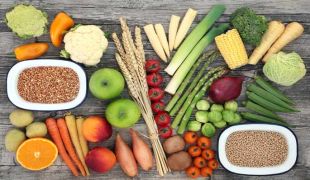
- ensure an adequate daily intake of fibre (see prebiotics below). One practical approach is to make plant foods such as fruit, vegetables, roots and leaves, the foundation of your diet.
- reduce your intake of refined carbohydrates and sugary foods.
- avoid eating excessive amounts of meat and processed meat. The original article suggests limiting them to once daily and choosing organic when possible.
- consider probiotics of suitable quality (see below) to provide beneficial bacteria.
- include postbiotics. fermented foods can contain fermentation products. Examples include sourdough, sauerkraut, kefir, yoghurt, fermented cheeses and vegetables, brined pickles, vinegar, kombucha, miso, tempeh and natto.
Probiotics, prebiotics and postbiotics
The probiotics are supplements containing selected strains of microorganisms intended to support the gut microbiome. Taking a capsule alone does not automatically restore a balanced microbiome.
Their effects depend on the strains, quality and formulation, including whether the organisms reach the gut alive . Their use requires care:
1. Although knowledge is improving, the effects of many strains are still not fully understood.
2. The appropriate strains may depend on the individual and their condition.
Many products contain similar organisms, such as bifidobacteria, lactobacilli, Saccharomyces and enterococci, but their effects vary from person to person . This may explain why they are not tolerated by everyone. More targeted formulations are being investigated for specific conditions, including obesity, depression and inflammation. Research is ongoing.
The prebiotics are substances that support beneficial microbes, usually by feeding them. Examples include fructo-oligosaccharides (FOS) and inulin, found in chicory.
Specific products are available, but foods rich in indigestible fibre are generally good sources, including green vegetables, leeks, onions, asparagus, sweet potatoes, apples, bananas, lentils and berries. They can be poorly tolerated, especially raw, when the gut is irritated. In that case introduce them carefully and gradually to support the microbiome without increasing discomfort.
The postbiotics are substances produced by bacteria and yeasts that can have a positive effect on our microbiome and health. They are found in fermented foods and drinks.
Food intolerances
The original article describes some food intolerances as immune reactions involving antibodies against the food.
It distinguishes immediate allergy from intolerance. A conventional allergy involving IgE can cause rapid, sometimes severe reactions to food, such as hives, asthma or angioedema. The article describes intolerance as a slower, less obvious reaction involving IgG. However, IgG to foods is not a validated diagnostic test for food intolerance; it can reflect exposure to the food.
The article suggests that food intolerances may be associated with inflammation, changes in the gut lining and microbiome, and symptoms beyond digestion, such as unexplained fatigue, skin problems, mood changes or diffuse pain. These symptoms have many possible causes and require individual assessment.
A healthcare professional can assess suspected food reactions and select appropriate tests. An elimination diet should be guided and nutritionally balanced, with reintroduction when appropriate.
See the article on immunonutrition and food intolerances 
What about colonic irrigation and enemas?
For thousands of years, traditional medical systems have recommended enemas for various conditions. Today, some devices irrigate the colon with water or solutions containing minerals, oils, micronutrients or herbs, then remove the contents in a closed system: this is known as colonic hydrotherapy.
The original article discusses the use of enemas in traditional practices, including Ayurveda. Their use should be considered in the appropriate clinical context.
The value of whole-colon hydrotherapy remains debated. The article suggests that occasional traditional enemas, which reach a shorter section of the colon, may have a role, and discusses the increase in protein-fermenting bacteria in the left colon with age. These bacteria produce compounds such as putrescine, cadaverine, phenol, indole and hydrogen sulphide. The article notes that excessive amounts may irritate the gut and enter the bloodstream.
The article proposes that enemas or purges could help clear an imbalanced gut before attempting to restore the microbiome through dietary changes, intermittent fasting and/or probiotics.
It also describes diarrhoea as a possible response to bacterial overgrowth. Persistent or severe diarrhoea should be assessed by a healthcare professional.
Conclusion: look after your microbiome
Ultimately, for healthy ageing and health generally, the gut and its microbiome play a fundamental role. Together they contribute to nutrient absorption, energy metabolism and immune defence. The article discusses their potential influence on ageing-related processes.
Long overlooked, the microbiome is now recognised as an important part of our health.
Healthy habits can help support a balanced microbiome over time.
Article très intéressant comme d’habitude !! ☺️
Je suis atteinte de dysbiose et malgré une supplementation de qualité en fer (forme et dosage), je ne parviens pas à faire augmenter mon taux … d’ailleurs il diminue même encore.
De ce fait je pense que j’ai du mal à l’absorber.
Auriez vous des pistes je vous prie ? J’ai entendu parler du lactoferrine, qu’en pensez-vous ?
Merci pour votre commentaire.
Il y a de nombreux facteurs qui peuvent rentrer en jeu (type de fer, présence insuffisante de vitamine C et A, d’acides aminés (protéines), prise conjointe d’autres minéraux compétiteurs, manque d’acidité de l’estomac, manque d’enzymes digestives, saignements méconnus…). De plus, la dysbiose en elle-même peut être un facteur limitant par l’inflammation intestinale et le manque d’enzymes digestives qu’elle entretien, ou la compétition avec certaines souches bactériennes…). Voila donc des points à vérifier et il faut chercher à rééquilibrer le microbiote progressivement bien entendu. La dysbiose n’est pas une maladie qui s’installe par hasard mais simplement la conséquence d’erreurs alimentaires, parfois de toxiques et médicaments, voire de stress, etc… Tout cela peut s’améliorer si l’on prend sa santé en mains. La lactoferrine peut aider mais il faut dans tous les cas repérer les causes du problème chez vous. L’aide d’un thérapeute compétent est largement utile.
Enfin, certains anti-nutriments comme les phytates peuvent réduire l’absorption du fer ou d’autres minéraux (see this article). Prenez soin de vous.
Passionnant et très enrichissant. Merci beaucoup
Hello,
Je retiens votre suggestion des lavements additionnés de la poudre des probiotiques et « envoie des ondes créatrices » pour que le suppositoires soient bientôt fabriqués.
Concernant le dioxyde de chlore (comme le DSMO, par exemple), il y a lieu d’enquêter en profondeur pour en connaitre l’action (ce que je fais !).
A bientôt de lire votre prochain article.
Bonjour Docteur Morel,
A nouveau, et à l’unisson de ce qui se dégage des commentaires, je salue la qualité de votre article et de vos compétences de vulgarisateur.
Deux questions: connaissez-vous des probiotiques qui seraient administré par le biais de suppositoires ? Ce mode de soin était très courant à une époque (et efficace, il me semble ?) et apparait tout indiqué pour atteindre la région qui nous intéresse, non ?
Comme alternative aux lavements (et pour « remettre à zéro » le microbiote) que pensez-vous du dioxyde chlore ?
Au plaisir de vous lire.
Très bonne idée. Je n’ai jamais vu hélas de probiotiques proposés par cette voie (peut-être qu’il est difficile de fabriquer des suppositoires en conservant les bactéries vivantes). Ca viendra probalement. D’ailleurs, les transferts de microbiote dans les expérimentations, se font bien par cette voie.
Certaines personnes font des mini-lavements en y ajoutant des gélules de probiotiques qu’ils ont ouvertes.
Il y a divers produits naturels ou chimiques pour détruire les indésirables mais il faut vraiment savoir ce que l’on fait et pourquoi (tout comme pour ajouter des probiotiques d’ailleurs, où on commence juste à comprendre lesquels choisir selon les cas).
Personnellement j’éviterais le chlore mais je ne détiens pas forcément la vérité.
En tout cas, merci pour votre appréciation.
Que rajouter à cet article très complet et aux autres articles cités… Tout est dit. Il ne reste plus qu’à passer de la théorie à la pratique…. et se laisser rajeunir…ou du moins vieillir en bonne santé…et peut-être penser aussi à une « digestion émotionnelle » avec le massage du ventre (le Chi Nei Tsang).
Merci bien.
Tout à fait d’accord : beaucoup d’émotions perturbent bien plus la digestion des gens qu’un plat de fast-food ou qu’une assiette de spaghetti bolognaise avec du gluten ;-)
La gestion du stress chronique et des émotions sont des facteurs cruciaux à prendre en compte dans la démarche pour la santé et la longévité, et pourtant souvent négligés…
Merci Dr Morel, tous ces infos sont tres interessantes.
J’aimerais prendre RDV avec vous.
Merci d’avance!
Un grand merci pour votre partage de connaissances et de conseils qui nous aident à prendre soin de notre corps Articles fiables et documentés
Tout le plaisir est pour moi. Bonne lecture.
Bonjour Docteur,
Par quel examen voir les intolérances alimentaires ? Chez allergologue ?prise de sang ?
Lesquelles il faut voir ?
J’ai été diagnostiquée avec la maladie spondylarthrite…
Merci à vous….
La spondylarthrite, comme d’autres maladies auto-immune, peut être corrélée à une hyper-perméabilité intestinale, ce qui favorise généralement les intolérances. Mais l’intolérance à un aliment n’est généralement pas la cause directe. Elle fait partie du tableau de la dégradation de l’état de l’intestin et de son microbiote.
Vous pouvez faire un dosage d’IgG dans un laboratoire proposant la recherche d’intolérances (cet examen n’est pas fiable à 100% mais peut donner une idée), vous pouvez faire des tests dermiques avec un allergologue en recherchant une réaction retardée, enfin le Dr Coca a décrit des tests de prise de pouls par soi-même après ingestion d’aliments. Ces derniers ont le mérite d’être gratuits même si la fiabilité reste à démontrer.
En tous cas, tout cela permet de se faire une idée. Voyez aussi this article. Portez-vous bien.
Merci pour ces informations intéressantes qui nous aideront à garder notre santé et notre bien être
Very interesting
Merci. Je découvre votre site. Hyper intéressant