


Our cells are capable of regenerating their damaged or worn parts over time. Our entire body can benefit from this «cellular rejuvenation.» This process is activated by fasting, even short-term, but also through other simple methods.
Article updated on 10/03/2024
Autophagy: regeneration in our cells
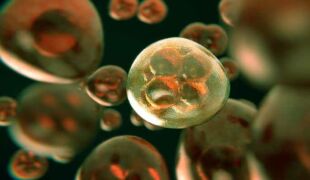
Literally, this word means that our cells «eat themselves.» In fact, they disassemble worn or foreign particles within themselves (thanks to Enzymes) to potentially use them later. In some cases, they can « make new from old » and recycle degraded proteins into new cellular components. They can also derive energy from them, as we will see.
Existing in each of our cells, this cleaning and repair process occurs naturally, cyclically, during phases of relative rest at the cellular level. That is to say, generally, during: sleep, rest, recovery phases after stress…
Autophagy tends to become less efficient with aging.
Autophagy: a true cellular rejuvenation
Every day, among the millions of reactions that occur in our cells, some have «failures,» producing abnormal structures. Cellular organelles deteriorate. These components could be classified among our famous toxins which, over time, «clog» our body.
To put it simply, let’s say that during autophagy, these useless components are «dismantled» by enzymes within small sacs. Then, new proteins and nutrients are synthesized. A kind of « recycling of defective parts » of the cell is done into «new parts.».
In this process, autophagy can also be an alternative source of’energy for the cell, particularly implemented during certain physical stress situations such as fasting, low blood sugar, intense exertion, or lack of oxygen… In short, during these periods, the cell generates energy by «burning» its waste. What could be better?

Your cells know how to repair themselves
Among the important components of the cell, you may have heard of the mitochondria, these «small boilers» that burn oxygen and nutrients to produce the energy your body needs.
Being the site of strong oxidative reactions, their malfunction or deterioration is a sensitive point that can be very detrimental to the cell and our health. Indeed, excess free radicals* can be produced, escape from the mitochondria, and damage other cellular components, even its DNA (which contains our genes), and then leave the cell to attack other tissues.
These oxidation reactions continue until our antioxidant system neutralizes them. Studies have shown correlations between excessive oxidation and accelerated aging, cancer, and degenerative diseases… Autophagy is capable here of repairing the damage, and especially preventing the accumulation of defective mitochondria. It can then appear as The anti-aging system of our body.
That said, let’s not forget that this is a phenomenon. normal like other defense and repair mechanisms of our body, but not a miracle cure. The real discovery is that Autophagy tends to weaken with age and especially with ours poor lifestyle habits, This allows degenerative diseases to take root. The good news is that we can take action to wake them up and use this fabulous tool.
According to the results of scientific studies, the stimulation of autophagy can be classified as a form of care. « anti-aging agents« but also among those able to reverse it and to induce cellular rejuvenation.
The benefits of autophagy
Autophagy of foreign bodies in disease
Autophagy (or autolysis) allows cells to eliminate unwanted particles that may have entered them or accumulated in them (1):
- virus,
- bacteria,
- endotoxins and toxic deposits,
- Degraded proteins...
Thus, it is involved in infectious diseases as well as neurodegenerative disorders, cardiovascular diseases, cancer (2), etc… Autophagy improves:
- our energy system,
- our immune defenses (14),
- Controls and reduces inflammation (15),
- among other beneficial effects…
Autophagy, fasting, and degenerative diseases
Studies on neurodegenerative diseases have shown that neurons They could eliminate their toxins and regenerate their damaged mitochondria through autophagy (3). This can be triggered at the level of the brain, during a fasting period which would be clearly more effective than other restrictive diets (9).
This autolysis process can target the intracellular deposits that are observed with aging, especially in diseases such as Alzheimer's.
Other positive effects
The biologist Pr. Yoshinori Ohsumi has devoted his life to studying the mechanisms of this phenomenon (Nobel Prize 2016) and its implications in the fight against degenerative diseases, cancer, infections…(8)
Autophagy regulates the cell’s metabolism by recycling nutrients and its energy production.
In a study by the Inserm (Vinatier 2016), the activation of autophagy in the joints of mice slowed down the onset of osteoarthritis.’arthritis and improved mobility.
It has also been shown that the activation of autophagy could improve the condition of kidneys damaged by diabetes. diabetes (4).
Autophagy induced during fasting is accompanied by an increased production of stem cells in the body (12), of which it is known that they help regenerate our tissues and organs.
Actually, It is difficult to talk about autophagy without talking about fasting. because it is the main trigger and certainly the most studied to date.
Fasting, autophagy, and detoxification
Autophagy has attracted a lot of interest among researchers since its discovery in the 1960s. Fasting, on the other hand, has been used in traditional medicine since time immemorial. By fasting, we mean the absence of food (with or without drinking water).
Today we know that autophagy helps «fattened» cells get rid of amyloid deposits that lead to senescence, for example (16). We understand better why the tradition teaches that our body, when freed from the work of digestion, uses its energy to eliminate its waste and repair itself.
In addition to stopping any possibility of ingesting toxins, fasting would have a detoxifying action, mainly by activating autophagy. This detoxification is more powerful than with a simple hypotoxic diet. It takes place within our own cells. This is interesting because the majority of detoxification techniques They are aimed at eliminating the toxins contained in the blood or in the environment where our cells live (and which nourishes them). These techniques remove the toxins through the elimination organs (liver, kidney, colon…). But autophagy also cleanses and restores at the same time. the inside of the cells.
Fasting against aging through autophagy
Fasting to rejuvenate?
Fasting favors autophagic phenomena that allow cellular regeneration, prevent accelerated aging, and certain oxidation phenomena. Fasting can thus be considered an anti-aging technique (see: The secrets of the young intermittent worker).
Rejuvenation is a concern of man For a very long time. In his 3rd book, Dr. Hiromi Shinya talks about 'anti-aging enzymes,» and cites the research on autophagy by Dr. Mizushima of Tokyo. He, in turn, advocates for 16 to 24-hour mini-fasts, repeated regularly. He also bases his advice on the studies of Dr. Panda (La Jolla California) which showed the following:
Mice that eat a food very rich in fat and calories, at any time of the day, for 100 days, see their health parameters deteriorate (obesity, excess fat and sugar in the blood, liver problems…). On the other hand, mice that eat exactly the same thing, in the same amount but only for 10 days, see their health parameters improve significantly. 8 hours in a day And when fasting for the other 16 hours, they do not experience these disorders, and even see their condition improve. A priori, the body’s metabolism is positively modified by short periods of fasting (at least in mice).
Dr. Malene Hansen showed that periods of fasting, inducing autophagy in the worm, could to extend its lifespan 25%! Other research goes in this direction (5)(6), and some have demonstrated this effect. on mammals.
In fact, it seems that most of the techniques that have managed to increase life expectancy in experimental models of genetic manipulation or substance administration (such as resveratrol, lithium, rapamycin, etc.) ultimately stimulate autophagy. This cellular process therefore seems very interesting for rejuvenating the body as a whole and maintaining health. Moreover, its effects would be particularly effective on the skin.
Fasting and traditions
It can be noted that, often, populations rich in centenarians experience periods of famine where they do not necessarily eat every day or at every meal. Would this contribute to their steel health and longevity? It is possible.
Most religions recommend periods of dietary restriction or fasting. This most often takes the form of a weekly day of fasting, or alternative fasting such as during Ramadan, when it is permitted to eat at night. If one subtracts the hours of sleep, one is close to fasting for 16 to 18 hours.
Traditional medicine Ayurvedic It does not recommend long fasting in the context of a healthy lifestyle. Rather, it is used to treat diseases, where it is also very effective. On the other hand, it strongly recommends a weekly day of fasting as a routine to release «Ama» (toxins) and regenerate the body.« Agni »(our digestive capacity) by resting the stomach. This day is adapted to the patient’s constitution (total fasting, liquid diet, or very light diet…). In some cases, it may simply involve removing one meal per day to alleviate the digestive and toxic load.
Finally, it should be noted that naturopathy has long taught that during fasting, the body intelligently draws on its reserves. It says that it first draws on fat, then on damaged tissues, then on the least important tissues, etc… Once again, science shows us that these concepts were not just imaginary.
How to stimulate autophagy in our cells?
 The different types of fasting
 The different types of fasting
The lack of food leads to a decrease in insulin and an increase in the hormone glucagon, which activates autophagy. Glucagon, in principle, acts in the opposite direction to insulin. Autophagy is thus activated intensely with 24 to 48 hours of fasting, but it could already increase as early as 16:00 without food (9). This activation would be all the more rapid if the subject had a low-carbohydrate diet during the previous days.
Since fasting is not easy to follow for long periods, there are more and more young people who perform repeated short fasts, or Intermittent fasting (more details here) , These methods work well according to studies. Moreover, it is not said that activating autophagy permanently is very beneficial, and some scientific articles have mentioned its dangers.
By activating autophagy cyclically, young intermittent eaters are most often:
– 16-hour fasts (16/8) by skipping either breakfast or dinner and eating quite lightly at the meal preceding fasting, so that digestion is as short as possible (this could be easily done 1 to 3 times per week, or more),
– making only one meal a day (this is the so-called «warrior diet», 20 hours of fasting and 4 hours to eat),
– one-day fasts (6:1 or 5:2): 1 or 2 times a week, etc…
The duration and frequency of these fasts should be adapted to each situation and each person according to their constitution, as always. Some very fragile people should only practice them under medical advice.
Other cellular stress factors that activate autophagy
Fasting is certainly the’The most powerful activator While depriving the cell of nutrients, other situations of cellular stress can also have this stimulating effect. If they remain reasonable, they induce moderate stress for the body, which, by adapting to them, will see many functions improve, including autophagy.
Here is a list of the most well-known activators:
- L‘state of ketosis’ by carbohydrate deprivation: when our cells no longer have glucose to burn, they use fat to make energy, and then they produce ketone bodies. The body is said to enter into «ketosis».
- A very low-calorie diet and low in protein, like the one that imitates fasting (Regime of Dr. D. Sinclair).
- The’physical activity and sports: the High-intensity exercises would be the most effective, provided that there is sufficient but not excessive intensity.
- Exposure to the heat strong (like a sauna).
- The’exposure to cold.
- The Temporary deprivation of oxygen for the cell (or hypoxia) also promotes autophagy, as with some breathing exercises or in intense efforts.
We find these techniques in The famous hormesis phenomenon : a living organism that receives a stress strong enough to cause it to react but not too strong, so that it can recover; it will react by strengthening themselves and by increasing its defense functions. Autophagy is part of these last functions.
The’moderate exposure to the sun with its production of Vitamin D3, and also to infrared They are also activators.
Foods and natural products that stimulate autophagy
Some natural products have a stimulating effect on autophagy: the resveratrol (and the others polyphenols in general), the catechines of green tea, Berbéris (by his beriberi), the Spermidine, turmeric, vitamin K, trichloroacetate from mushrooms such as shitaké, the sulforaphanes (Cruciferous vegetables: cabbage, broccoli…), the quercetin (onion, raisin, apple…), apigenin (orange, apple, raisin…), capsaicin from the pepper, the coffee, Omega 3s, as well as Terpenes (active principles derived from plants such as lavender, pine, lemon, eucalyptus)…
We also mention the Melatonin which showed unique effects of regulation autophagy, depending on the type of cells. It would therefore inhibit it for cancer cells but not for healthy cells (L. Sagrillo-Fagundes 2024).
Practical advice from Anti-Aging Integral
If you take dietary supplements to activate autophagy, do so by first modifying your lifestyle. Have a comprehensive approach. Choose those that have several interesting actions in your case, if possible. Here’s how to take the most commonly used ones:
– Resveratrol It is a classic anti-aging remedy and a powerful antioxidant. It also promotes energy production in our cells, strengthens the vascular system and prevents many diseases linked to aging according to numerous studies (diabetes, cancer, atherosclerosis…). The effective doses in the studies conducted are between 150 and 500 mg of trans-resveratrol per day (this is affordable and properly dosed: trans-resveratrol).
– Green tea (labelled as polyphenols, ECGC and flavonoids for controlled levels of active substances): it is also a powerful antioxidant. Take 800 to 1200 mg per day as a basic treatment. Many studies have also been conducted on the prevention of cancers (digestive, breast, lung…), the effects against the formation of bad cholesterol and cardiovascular protection, also stimulating immune defenses… (if you are interested in this: Extracts of green tea).
– Berberine It is also a stimulant of cellular energy production, a stabilizer of blood sugar levels, and an activator of anti-aging metabolic pathways… Interesting in case of: poor gut flora and SIBO with sometimes, in this case, some minor reactions at the beginning of the treatment. This reaction is pure and well-dosed: Berberine tablets.
Transparency: some products are sold by partner laboratories that pay a small commission to support the operation of this site.
Other less natural products such as rapamycin, metformin or the lithium, For example, they can also activate the processes of autophagy, but they are not necessarily devoid of side effects. They are known to be used in anti-aging medicine. Studies have shown that they can prolong lifespan in animals. In particular, metformin is an antidiabetic drug that has been the subject of human experimentation since 2016 with the aim of improving longevity (Learn more here). These products are only dispensed on medical prescription, and the advice of a competent physician is highly recommended.
In conclusion about autophagy
Autophagy is a great discovery. It has been experiencing a certain fashion trend (similar to that of the young intermittent fasting person) in recent years. However, it is not a new rejuvenation technique or a magic pill, but a normal function of our cells that we all use. There are therefore 2 scenarios:
- our autophagy is slowed down or weakened (due to age, an overly rich or too sugary diet, too frequent eating, lack of sleep, overworking, etc…). In this case, we have everything to gain from stimulating it, and the results should be obvious. This will mainly be achieved by improving our lifestyle (eating less often (or even eating less completely), moving more, taking rest periods…). And if that were the most important thing?
- Our autophagy already has a good level of functioning. In this case, we can think that its stimulation will strengthen us (as with hormesis), and that is probably the case. To what extent? It’s hard to say, but let’s not forget that science has also shown that over-aggressive autophagy can be harmful to health.
Once again, we recommend the middle path. Avoid extremes; health is a balance.
It makes sense to try to activate autophagy to fight it. against the adverse effects of age, And in particular the risks of degenerative diseases. To date, nothing proves that you will live to 120 thanks to this, but you will certainly increase your vitality. That’s already very good.
The natural remedies proposed for this also have other anti-aging effects. Some are antioxidants or anti-glycation, others protect our mitochondria, are senolytic*, etc… Using them for 2 or 3 month cycles as part of an overall improvement in lifestyle could be wise, and will allow you to get an idea of the results. Some authors propose multi-week programs that go in this direction. We believe that there is no one-size-fits-all method, but that it must be customized. according to the constitution of each person (calculate yours here) to reap all the benefits from it.
As for young people who are short-term or part-time workers, they do not pose any health risks despite the many nonsense we may have heard such as « Above all, you should not skip a meal« , « Fasting causes the loss of muscle that cannot be recovered ever again« , « When you fast, you should not do anything.«So, by always adapting it to one’s personal situation, or by being well advised by a competent person, why not try to form your own opinion?


Hello Doctor,
Thank you for your quick response. For my part, reporting this error is a way to enrich, in my own way, the excellent contributions of your readers on the subject, while also paying tribute to the quality of your work (which can be seen by comparing it with other sources).
Sincerely,
Olive
Hello Doctor,
After reading your article, I am looking for berberine and click on your partner’s website. I discover that it is the excellent Sunday natural. However, the link points to ashwagandha, which does not seem to contain berberine. Thank you for your clarification.
Hello
Indeed, the laboratory changed its page on the French website due to French legislation regarding the use of certain plants. You now have to go through the German website. I have updated the link. Thank you for reporting it.
Hello, during a young person’s hydration of 3 to 5 days, is it advisable to start doing or continuing a muscle-building workout to prevent or slow down the loss of muscle mass?
Perhaps it would also be necessary to provide the young person with body bricks before or at the end of the training so that they can better limit muscle breakdown/rebuild it later, so that there is plenty of protein in the meals that accompany the young person?
Hello. It all depends on the individual case. It is necessary to know why this fasting, for whom, and for how long. A fasting of 3 to 5 days does not lead to a significant loss of muscle mass, at least not irreversibly in a person with a medium constitution. Yes, some people may engage in physical activity or sports during such a fast, but not everyone. Many people fast longer and do not experience any muscle loss afterwards. Finally, to build muscle (see this article), you do indeed need amino acids (hence proteins) in moderation, exercise, and balanced hormones. This is for an average person, within the «norm». It will be different for a bodybuilder, of course.
Distinguished greetings
I would like to contact a treating doctor who supports autopsies in France
Thank you very much in advance
I don't understand your question. What are you looking for, please?
Everyone is gushing about the magic word: a study!
Don't forget the essential factor: the quality of the study. More and more studies are of very low quality, partly for financial reasons. A statistically correct double-blind study costs a lot of money, and researchers have an interest in publishing to receive money...
I have been a fan of the Young Earth since 2018 when I encountered the work of Dr Sergei Filonov in Italy. I practice with young people for 5 to 11 days 3/4 times a year…, my blood tests testify to the surprising results that result… I am not young up to cure a disease, I point out, but for its spiritual aspect and slowing down of cellular aging… There is so much to say about this topic…
Good listener, good day...
Thank you for your testimony and bravo for your determination. I would just add that there is no absolute rule regarding the duration or necessity of fasting for several days. It depends on each person’s constitution and their own goals.
Hello,
It has been two weeks since I started intermittent fasting for one meal per day. I would like to hear testimonials about autophagy and thyroid nodules. Kind regards,
I practice intermittent fasting all the time (15 hours per day, having eliminated the evening meal) and I have not noticed any difference in my thyroid nodules. However, I did Breuss cure twice (the first time was complete: 42 days and the second one was 21 days) and yes, there was a significant reduction in the nodules on the thyroid, the disappearance of a uterine fibroid and a recurring cyst that has been there for about a decade. The duration can be scary, but the Breuss cure is not a strict fasting and it is very pleasant (I was in great shape, except for being a little tired at the end when I did a little exercise after losing 11 kg that I quickly regained: normal weight 52 kg), provided you strictly follow the recommendations. Think of the vegetable charcoal and green clay to reduce the side effects during the first days of fasting (the charcoal and clay, by adsorbing the toxins released, will help reduce or even eliminate minor discomforts: headaches, discomfort…).
Hello,
I discovered your post a little late and I would have liked to know more about your uterine fibroid and the Bruss cure, please?
Mine is 8 cm and I don’t want to have it operated on, so I would like some advice regarding the treatment that I know nothing about.
Thank you
Thank you very much for your research and responses, both relevant and prudent. I agree with you; it is better to be supervised by a professional. I think it is important that it be short-term because often it is the resumption of food intake that can be harmful, if it is not done properly, or even worse than if one had not fasted at all. Since it equates in time to the duration of the fasting period, I prefer to do it dry and short (2 days max for me) with a gentle resumption (2/3 days), (1 or 2 times a year). The important thing is a healthy diet throughout the year; otherwise, intermittent fasting can be interesting in theory and easier to do. Thank you very much again, I am very happy with your response; the opinion of a professional is important, thank you :-)
Thank you infinitely, so see you soon…
According to those who practice dry youth, there would be several advantages:
– no feeling of shyness
– less loss of strength
– no nausea
– better elimination of damaged cells (presumably by autophagy)…
According to science, burning fat to produce energy (which happens in a state of ketosis) produces twice as much water in the body, which significantly reduces daily water needs.
Ketosis would be reached in 24 hours, whereas it can take up to 72 hours with the young in water. In this regard, a study shows that the reduction in water intake actually promotes ketosis.
Dehydration also has a beneficial effect on the regeneration/anti-aging pathways such as mTOR and ampk, therefore on autophagy (provided that this dehydration is reasonable of course). One study shows that 5 days of dry fasting remain without any dangerous health consequences. Another study shows that blood sugar remains higher in young people when they are fasting, which could explain why some people report less muscle fatigue.
Ultimately, the current state of knowledge would confirm a faster and more intense effect of intermittent fasting on the mechanisms mentioned above. Saying that it is 3 times more is just an assumption, and there are other effects in fasting that the intake of water may not change.
In all cases, caution should be exercised and short periods of time should be used (even intermittent fasting, which is what happens during Ramadan), and supervision by an experienced therapist is recommended at the beginning.
Here is a little research that was interesting.
Hello and thank you for this excellent work. Is it true that one day of dry fasting equals 3 days of dry fasting? It’s a shortcut but is it more effective? I’m asking this question because it would allow younger people to recover more quickly and therefore the subsequent days would be less demanding for the young people who have been difficult for me. Thank you.
It is indeed said that dry fasting is more effective. I don’t have any scientific reference to confirm this, but this is an opportunity to look for it.
Thank you for your appreciation.
Hello Leila..I confirm your words and those of Sergei Filonov…
Hello,
The article mentions that «it is not said that constantly activating autophagy is very good, and some scientific articles have mentioned its dangers.»
What are these dangers?
Sorry, I am answering late. In fact, like all good things, abuse and the extreme can lead to undesirable phenomena. Here, it can involve the consumption of muscle fibers, damage to the mitochondria, and poor regulation of the elimination of abnormal cells (apoptosis). Cancer cells could benefit from autophagy under certain circumstances. However, this remains still poorly understood and unclear. See: https://siimland.com/signs-of-too-much-autophagy
When we talk about autophagy, we can also think of mitophagy, which ensures the regeneration of our mitochondria. Does anyone have experience with Mitopure (a preparation based on urolithin A) from the startup Amazentis? Currently, the product seems only available in the USA but it can be sent to you.
Thanks to anyone who might have a comment about it.
From my personal experience, I first went to see an acupuncturist; the first few months were very close sessions to rebalance the energies in my body, «restoring my body’s proper functioning»; then he taught me to distinguish between the desire to eat and the actual eating itself; this automatically led me to eating only one meal a day, which is what I want; and as soon as I’m not hungry anymore, I don’t eat anymore. On the other hand, I drink a lot of water, I exercise 2 to 3 times a week without losing weight; I’ve lost 10 kg and I maintain my weight without any problems.
It has been 6 years since I started using this method; I am over 55 years old, rarely get sick, and have a blood test every 6 months; my results remain within the acceptable limits.
So for me it is very conclusive.
I practice a 72-hour cleanse every 4 to 5 months. I only drink water and coffee in the morning. The benefits are immense. I feel much better, more toned. No more pain anywhere!
Very interesting testimony. The coffee could also activate autophagy.
Thanks, but be careful, in these times, that you are not labeled as a sectarian deviation :-) lol!
Everything agreed that muscle breakdown does not exist in young people and if it does happen, it is very easy to recover from it. I do several young people per year and I am constantly in a state of intermittent youth and I have never had any muscle loss that I didn’t recover within the following weeks (even though I didn’t lose any at all). And as for uric acid, which explodes after a young person has finished exercising, that is NORMAL. If you eat a lot of protein, the body tries to get rid of this acid, which is harmful, so yes, it is released back into circulation (because it is found in your joints, tendons, and other places to form tendinitis, etc.). In short, it is released back into circulation during youth to be expelled, but it doesn’t happen by waving your fingers. In youth, the blood, urine, and other parameters are all very disturbed! That’s normal; in youth, we put toxins back into circulation. You shouldn’t mix things up and avoid saying things you don’t know about!
Seren has told it all… WE HAVE TO LET GO OF ALL OUR FEARS THAT PROFESSIONALS OR OTHER FAKE DOCTORS OR THERAPISTS OR WHOEVER INVOLVE WILL INJECT US! WE HAVE TO TAKE THINGS INTO OUR OWN HANDS AND STOP DEPENDING ON EVERYONE AND WAITING FOR THEM TO TAKE CARE OF US WHO KNOWS BETTER THAN YOUR BODY WHAT IS GOOD FOR IT?! TRY AND STOP BEING AFRAID! Do you think the world is going well? NO! So try something else!
Nature is more intelligent than medicine…. one must take care of oneself….
@RAMIREZ
Your testimony touched me a lot because I suffer from a similar problem, although it is more serious.
I have been suffering from allergic problems for almost 8 years. These problems make my daily life a living hell: allergic rhinitis with two surgeries to remove polyps, hearing loss in both ears due to obstruction of the eustachian tubes (the mucus from the nose runs up the tubes and into the mouth), and even chronic bronchitis that is already quite advanced. I have been taking antihistamines and plenty of cortisone as well.
I am looking for alternative solutions everywhere. I will try the young man; I have no choice. Do you know of any studies or cases regarding chronic bronchitis?
Thank you in advance for all the input you can all provide me with!
Hello Ana
I am very late in responding to your question, sorry.
As for me, I rarely consult this site; usually a few weeks before embarking on a fasting period to strengthen my motivation ☺
To answer your question, I have listened a lot to Fabien Moine, who gives many explanations in his podcasts about the physiological principles of the young, about the method or methods, as well as about the effects and mainly the symptoms during the young age.
I have also read quite a lot on the subject.
Jean Seignalet does not deal directly with the young person but with diseases linked to modern eating habits.
Dr. Wilhemi de Toledo from the young Buchinger
And of course Albert Mosseri and Shelton….
Then, there are some researchers' studies, notably those of Walter Longo. …
Of course the integral anti-aging site is full of relevant information 👍
The most important thing, I think, is to inform oneself in order to become familiar with the subject, then gradually test it with young people through courses, and then more and more long ones… of course, if the need arises.
For my part, I tested the young sec for 72 hours, and it was very beneficial for me.
My next young one (the 4th) is scheduled for mid-December and will last 10 days
I would like to point out that since I was a young man, my allergies no longer cause me any problems and my physical performance is improving progressively… both in terms of explosive strength and in general cardio performance.
I have even gained some dry weight overall, and although training has played a big part in this, the young people haven’t stopped me from gaining muscle… on the contrary, I think
Good research and good luck to you
Sincerely
Bernard
The Messenger of Allah said: «The worst vessel that a man can fill is his stomach»
To activate autophagy, what do you take for 3 days, apart from water? Thank you
By definition, fasting means not eating anything. And that is what best activates autophagy.
You can then drink water or not. Infusions or broths can be taken without slowing down the process, as a matter of principle.
Afterwards, when it comes to a period of more than 24 hours, autophagy can also be activated by a ketogenic diet, or a very low-calorie and protein-poor diet; however, we are no longer talking about fasting, and that is a different matter.
Hello,
I am belatedly commenting on this very good-quality article to share with future readers my personal experience regarding intermittent fasting and prolonged fasting.
Having been practicing intermittent fasting 16/8 or 20/4 for three years, I did two 7-day fasts last year in order to try to treat an allergy to cypress pollen that was becoming increasingly debilitating over the years and which forced me to take heavy doses of antihistamines and cortisone for several months a year.
The results exceeded my expectations. These two fasts (separated by 4 months – October 2018 and February 2019) allowed me to get through the 2019 season of cedar allergies almost symptom-free and especially without cortisone (a little antihistamine during peak pollen season). So, those awful weeks are over – completely drained of all energy or you pray for rain (the really allergic will recognize that!). No asthma either and no lung infection (I had two in a row in 2018!).
Another unexpected effect of these two periods of fasting was the disappearance of a persistent tendinitis in the elbow (epicondylitis) and the Achilles tendon – the latter being less pronounced, to be sure.
The loss of «mass» (I’m 46 years old) that I feared actually resulted in a weight loss of about 6 kg each time. But apparently my muscles didn’t suffer at all; on the contrary, I would say that I literally «dried out» during these two fasts and my physical performance even improved (at least that’s how I feel) in the weeks that followed. Being a long-time practitioner of combat sports and crossfit, I know myself well and am relatively capable of measuring my performance.
Ultimately, if you want to get started, in my experience, don’t hesitate. Take advantage of the knowledge available on this topic; many reliable sources are now available. Do your own tests and trials and go about it gradually.
As for me, my next fast is already scheduled.
Wishing you good health.
Bernard
Thank you for your testimony. I confirm your impressions and findings. Then, it is necessary to adapt this to each type of person (constitution), but your conclusion is correct. » Do your own tests and trials and go about it gradually. This also allows you to learn to listen to your body and respect it.
good evening,
Can you elaborate on the effects of intermittent fasting or autophagy and Parkinson’s disease?
Are there any studies on this problem?
Sincerely
According to studies, the reduction in the autophagy process at the neuron level leads to neurodegenerative diseases. It has been shown that young animals increase autophagy at the neuron level. Therefore, the young intermittent diet improves autophagy at the neuron level, thereby reducing neurodegeneration. Here is a study on Parkinson’s disease in particular: Dietary restriction and 2-deoxyglucose administration improve behavioral outcome and reduce degeneration of dopaminergic neurons in models of Parkinson’s disease.
Duan W, Mattson MP – J Neurosci Res. 1999 Jul 15; 57(2):195-206.
Hello, Thank you for these valuable information, or can we consult these publications on repairing the body and young long? Do you know if young long can cause intestinal permeability? There seem to be conflicting answers on this topic.. I would also like to know if there is any danger of fasting for 2-3 weeks with heavy metals in the blood... or if the young can be done with taking chlorella for chelation at the same time as the young?
There are lots of studies on Pubmed. For intestinal permeability, most authors agree that it is improved by fasting (there are even this studyIn all cases, one should not embark on a long journey of several weeks alone, especially if one has a weak constitution or is burdened with toxins.
Hello! Yes, the information is relevant. For us, a light dinner, around 7:00 PM. If we had a protein/vegetable meal around 3:00 PM, then nothing until the next day at 10:30 AM: seeds, oats, dried fruits soaked the night before + fresh fruits, mango, papaya, watermelon etc. = 16 hours of fasting without effort! QUESTION: But what about METABOLISM? Isn’t it said that we should rather eat 5 to 6 meals a day to better activate it? And during longer fasting, what happens? Thank you
The rhythm of your meals leaves you with a judicious 16 hours of digestive rest. The main thing is that you feel good about it.
Normal digestion takes 3 to 4 hours for the stomach to empty, and up to 6 or 7 hours for a meal rich in animal protein. Also, eating frequently during the day often leads to digestive problems because one first process is not completed while another one begins. After that, for people who are very active and have a very good metabolism (and a good «digestive fire»), it is possible that it will work better. And it’s also a matter of quantities…
With longer periods of fasting, the autophagic process persists, and other effects combine. The body, freed from the digestive burden, can spend more energy on detoxification and repair. It is homeostasis that makes a living system naturally tend to repair itself. Numerous scientific studies have analyzed the therapeutic effects of fasting.
Thanks very much, I have already done several fasts. The first time was difficult, maybe because of the fear that it could be unbearable. I am very happy to have overcome my fears; I have repeated the fasts several times, including one of 12 days. I could have not stopped but the social constraints were there. I had felt a lot of problems with sugar after meals, including trembling and nausea. I got out of it thanks to the young man. Likewise, after a synovial effusion and a sprain, the fasts saved me. Moreover, I no longer eat breakfast in the morning because I actually forced myself to have lunch, a mistake.
Muscle loss is what I fear the most. Although I have been quite muscular in the past thanks to classical dance, swimming, and walking, now I’m 80, so I’m wondering if I should take protein supplements after my diet reset because during my various fasts over the past two years I feel like I’ve lost muscle mass.
When I don’t carry any weight, I climb my 8 floors. Maybe I should go to the gym because at home it’s impossible to exercise. Space is limited due to the cramped area.
I realized after years of personal research that every person is unique and there are only solutions adapted to each one. Take into account their constitution and way of life and thinking. For example, I have a fluctuating appetite and my husband from January 1st to December 31st can absorb his three daily meals without being inconvenient. Personally, I listen to my body to know if the appetite is on the rise. I can skip a meal if necessary. This happens occasionally.
But for everyone, it is recommended to eat frugally and healthily all year round. Of course, allow yourself some exceptions when invited to events or on outings. But in the long run, the body gets used to this frugal rhythm and our view of the pleasure of the table changes.
I realized that everyone was quietly getting bogged down, at their own pace, and all sorts of health problems were occurring. Nothing can evolve favorably in the long term without a change in consciousness regarding our way of feeding ourselves.
Thank you very much for your response, as well as for the link to this study. It is interesting to note that caloric restriction is complementary to the young short, that only the second one triggers neuronal autophagy.
Perhaps you are also familiar with this study? https://www.ncbi.nlm.nih.gov/pubmed/29107505. Although the detailed study is not public, it does come to the conclusion that the young intermittent fasting 2 x 12 hours WITHOUT calorie restriction would also favor autophagy. Of course, it would be interesting to have more data in order to compare the 2 approaches: 12-12 / 16-8, but that has the advantage of opening up new perspectives.
Hello, you claim: «Studies on neurodegenerative diseases have shown that neurons can eliminate their toxins and regenerate their damaged mitochondria during intermittent (or alternated) fasting. This type of fasting triggers autophagy at the brain level and would be significantly more effective for this than other restrictive diets (3).»
Nevertheless, the study in question does demonstrate the detoxifying role of autophagy in neurons, but no mention is made of intermittent fasting, so nothing proves the correlation, nor does the comparison with other restrictive diets.
Is this an interpretation error of the study, or is it just a mistake in the bibliography? The question is crucial because although the mechanisms of autophagy and its role in degenerative diseases are well known, the way it is triggered and the fact that the young intermittent fasting is sufficient remain unclear. Not to mention the very definition of the young intermittent fasting and the associated caloric restriction that must be decisive.
Indeed, a reference was missing that shows that fasting triggers autophagy in neurons. This was added and the sentence was rewritten.
Then you are right; nothing is ever acquired and opinions can always change or diverge in medicine. Thank you for your comment.
In any case, most scientists agree that the young intermittent fastener triggers autophagy better than simple calorie restriction.
http://www.larecherche.fr/prix-nobel-2016-m%C3%A9decine-physiologie/le-prix-nobel-de-m%C3%A9decine-ou-physiologie-2016-r%C3%A9compense-des
Autophagy
Investment for the future!!
The reality is that I still haven’t found a doctor with whom we can discuss concepts, notions or research that is not authorized by the faculty!!
So we really have to do our own research
When will we encounter a faculty that dates back to the past and the reality of a world that is constantly evolving?
Mireille
«It’s very simple, you just have to fast during Ramadan
and you will be cured of all diseases !!!!! »
It would be quite true if we only had a light soup in the evening. Not if we get carried away with meat, sugar and pastries ;-)
It’s very simple, you just have to fast during Ramadan.
and you will be cured of all diseases!!!!!
My sources are a blood analysis on myself
Young people eliminate abnormal and unnecessary proteins (nodules etc.) that burden the body, so it seems to me that it is, in principle, quite normal to find their residues in the blood, uric acid.
Except that uric acid is one of the most powerful antioxidants! For proof, mine has literally doubled in quantity and I have no other health problems... all of which is true after 7 days of young dry season, please.
Unfortunately, it’s apparently not that simple.
http://www.sport-passion.frsantesport-a-jeun.php
There are apparently risks of muscle strain among other things.
The facts that always have the last word:
Blood analysis immediately after a young man of 3 days (just water), results: uric acid explodes (+30!) so there was indeed muscle burning (irreversible after 25 years apparently!)
Conclusion: Don't believe anyone on their word; verify everything yourself.
That’s true. Nothing is simple and we ultimately know very little. We must rely on serious and recognized studies. Each person must also adapt these principles to their personal situation. There is no standard.
I couldn’t find the studies on young and uric acid. That’s interesting. What are your sources, please?
Thank you.
PS: We are talking here about very short (less than 24 hours) young people, which is very different from young people who are long-term residents and stay for several days.
This is also called the Sanogenesis.
The first experiments were carried out in Russia as early as the 1970s (Arte broadcast a documentary about the origins of fasting and its self-regenerative virtues). https://www.youtube.com/watch?v=V2rY0hD8NXI&feature=youtu.be ) And the results are quite interesting since this demolishes the very idea of the consumer society by revealing that the human body has more tools to compensate for hunger than to assimilate everything we eat today three times a day (and which, in reality, turns out to be harmful to the body).
Regarding the combustion of muscles, which is supposedly irreversible after 25 years, that is nonsense.
And to go further, know that you will not find more relevant muscle patterns than the muscle patterns of the hunter-gatherer peoples (so-called primitive peoples) that are still found today in various parts of the world.
The hyper-muscled «50 cent» model is a symptom of the propaganda of the typical consumer society of our time.
I have been practicing long fasts of 3 weeks for several years now (this summer I did my 7th) and I am 37 years old. There is not a single time when I haven’t seen my muscles literally melt during my fast. There is not a single time either when I couldn’t get them back in 3 months for the most part and in 6 months for the whole thing through regular physical exercise (almost daily push-ups, 2 to 3 runs a week and a weekly swim session). In other words, what you are saying is false; I affirm this based on personal experience and I can prove it with photos.
Hello Olivier, I’m going to ask you this: I’m very interested in your experience; 3 weeks of fasting!!! I imagine that intermittent fasting is a joke for you. I know I really need to start doing it too; I’m 40 now and I have a desire to clean up my life, do you have any good advice to follow?
Thank you and good luck.
Éric
@Gabriel: You seem to put this very well-written article from antiageintegral.com (perfectly documented with its 10 scientific studies cited in the bibliography) and an article from a somewhat dubious blog (sport-passion.fr) on the same level; the goal of the latter seems to be more the placement of commercial links than providing information to the sports enthusiast. Some articles even seem straight out of the press release of a sports equipment manufacturer.
For information, the 8 studies referenced in the article on antiageintegral.com were published in some of the most prestigious scientific journals after approval by a review committee. One of the authors (8) Yoshinori Ohsumi: autophagy from beginning to end. ) even received this year’s Nobel Prize in Medicine for his work on autophagy (http://www.nature.com/news/medicine-nobel-for-research-on-how-cells-eat-themselves-1.20721That’s to say, it’s serious.
The blogger you cite rarely gives his references (or else it is often books by his «sponsors» or his own «publications»): that is obviously his right, but in this case he only expresses his own opinion; so be careful not to take his personal opinion and pass it off as universally accepted scientific truth. The article you cite is actually quite strange because it is written in two completely opposite parts. In the first part, the interest in fasting training is clearly stated, with an additional reference to a scientific study for once. In the second part, where no source is mentioned this time, fasting training is presented to us as a heresy that will condemn us to the worst torments: depression, coma, diabetic acidosis and the famous «irreversible» muscle breakdown…
Here is a nice list of myths and counter-truths: I won’t repeat everything, but diabetic ketoacidosis affects, as its name suggests, diabetics. For people who follow a fasting diet, it’s difficult to accuse them at the same time of risking hypoglycemia and being in diabetic ketoacidosis since this involves… hyperglycemia (4g/L or more). The glucose and ketone body levels are nothing comparable in the two cases. Beta-hydroxybutyrate levels: 0.5 mmol/L for fasting training, 5 mmol/L during prolonged fasting 15 to 20 mmol/L for a diabetic in an acute ketoacidosis crisis.
In the article you cite, he accumulates myths and counter-truths like this story of «irreversible muscle gain.» I found no trace of this «irreversible muscle gain,» except in a few blogs or forums, each time it’s just a simple copy-paste without any reference, a bit like bloggers copying each other without ever checking anything.
Irreversible muscle loss does not exist; otherwise, a sportsman who should stop training for a few months would end his career, and malnourished people (the hunger strikers, the survivors of death camps, would never regain muscle mass).
information of very high scientific quality
to be read with interest and then applied with rigour and regularity
a whole program to add years to life,
bravo
Very interesting topics with a great level of detail; thanks again for the good information