

Senescent cells are aging cells that can no longer perform their normal functions but persist in the body’s tissues (rather than being naturally eliminated). They generate inflammation and the aging effects of these tissues. By eliminating them with so-called «senolytic» products, researchers have been able to significantly extend the lifespan of mice, and/or prevent certain diseases associated with aging (see in detail in our article here).
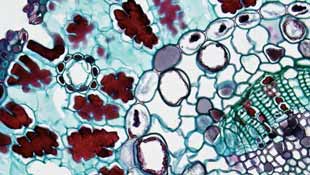 A recent study from the University of California, in San Francisco, puts a damper on the interest in destroying senescent cells at all costs. In fact, some senescent cells could be useful for repairing/regenerating certain tissues in our body, including the lungs, intestines, and skin. It turns out that these are «barrier» organs because they constitute an interface between our body and its environment.
The experiment showed that senescent cells appeared very early in the organism (shortly after birth). Moreover, they would stimulate the so-called stem cells that allow the repair and regeneration of new tissues in the various organs.
What to take away from this? That science is precisely a discipline that does not stand still. Discoveries are often called into question or adjusted. Humility is essential, especially in medicine where the human body is a variable that is difficult to grasp.
Ultimately, it may be necessary to choose which senescent cells to destroy and which to spare. This may be the opportunity to discover more selective senolytics. Or perhaps, once again, the truth lies somewhere in the middle: not too much nor too little. So, we’ll see…
I read a lot about intermittent fasting that I have been practicing for several months (16 hours of fasting per 24 hours), in addition to eating well (especially a Mediterranean diet. I read a lot about this topic. Besides clearing the body of its accumulated «waste,» including senescent cells and excess fat, it would also allow for «healing» from cancer as well as reducing the risk of dementia. It’s fascinating to realize that we have this power over our health.. and our lifespan.
Your articles also contribute to that because they are very well written, your recommendations are quite easy to follow and they make you want to keep taking care of yourself!!! Even after 75 years. Thank you!
I have already read articles that say that these senescent cells are involved in diseases such as cancer or Alzheimer’s disease. Is that true?
Yes, when they become too numerous in the tissues, they can promote degenerative diseases such as Alzheimer's.