

A study from the Institute of Healthy Ageing, Department of Genetics, Evolution and Environment, University College London has concluded that a family of proteins (the ETS) play a crucial role in the longevity of various tissues and across several animal species.
This family of proteins could therefore accelerate the effects of aging on tissues and thus on living organisms, and thereby regulate the ’lifespan.
Researchers have managed to improve the deleterious effects of aging by reprogramming the expression of genes, through modifying the activity of certain of these proteins.
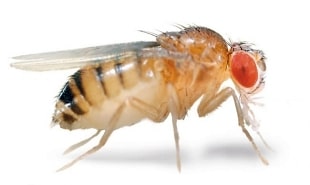 It was known, for example in the fruit fly, that a low level of insulin and Igf1 (growth hormone) improves longevity by activating two gene transcription pathways: Aop and Foxo. It is now known that another protein Pnt (still from this same family of ETS) acts in the opposite direction, accelerating aging.
Pnt would also be a regulator of fat cell drainage (lipolysis) and responds to nutritional stresses such as nutrient deprivation and a diet high in sugars, for example.
The study highlights that these three groups of proteins express according to the environment and lifestyle of the studied animals. It remains to be seen whether it is possible to use this pathway in humans…
In any case, this is a new demonstration of the capabilities of epigenetics to improve longevity, and of course a confirmation of the effect of lifestyle on anti-aging.
thank you for all this information you provide. Many studies do not lead to any practical application on humans (like this one); but it is always interesting to be kept informed. And your articles are of high quality. Richard
Thank you very much.
And I would even say: to date, many mice and flies have seen their lifespan extended in various experiments, but I have unfortunately not yet seen researchers appearing 20 years younger than their age thanks to their discovery ;-)