


The anti-aging assessment allows you to know where you stand and how your body is maintaining itself as you age. It will serve as a starting point and also as a reference over time.
Article updated on Jan 18, 2025
Why do an anti-aging assessment?
Are you aging too quickly, or are you resisting the ravages of time well? Anti-aging assessments will provide you with a starting point that you will seek to improve by modifying your lifestyle, correcting your diet, or through anti-aging treatments and methods, to remain healthy and fit for a long time.
Measurements such as weight, height, reaction times, memory capacity, muscle strength… are used for this purpose, as well as the collection of specific signs or symptoms, and certain laboratory analyses. This is called biomarkers of aging. Here are the different possible parts of an assessment:
Physical assessment, symptoms, and body functions
Identifying telling symptoms
The doctor who questions, listens to, and examines their patients identifies signs, even minor ones, of poor functioning of the various systems (digestive, hormonal, neurological, etc…). In anti-aging, the practitioner mainly seeks to understand:
- nutrient deficiencies,
- the state of immune and antioxidant defenses,
- the presence of chronic inflammation,
- hormonal balance,
- visible signs of aging (skin, muscles, teeth, posture…).
You can also learn to listen to your body. It does not lie, and a recurring problem, even if it is not very disabling, has a meaning. These signs from the body should not be neglected (nor should they just be temporarily alleviated with a pill). They are alarm signals of broader and deeper functional disturbances. This is the foundation of Medicine (or at least, it should be).
Questionnaires can be used to gather maximum information about the symptoms experienced (such as the tests that are offered here).
Typological classification: the constitution
 The information collected then allows you to be classified according to your basic constitution. This says a lot about your weaknesses, strengths, abilities, sensitivities, and your general way of functioning. It allows for precisely adapting anti-aging treatments to your personal profile.
Morphometry can also be useful; it is the study of the shapes of the body and face. It helps to determine if they are in accordance with your actual age.
The calculation of biological age
Simple tests allow for measuring vision, hearing, muscle strength, respiratory function, attention and memory, reflexes, etc... Combined with other parameters, they can define your biological age, that is to say the age of your body, which differs from your actual age depending on whether your aging is accelerated or slowed.
This calculation is classically used in geriatrics, and it is part of the anti-aging assessment, serving as a scale or reference. It allows for the evaluation of the effectiveness of the treatments used, and it is a valuable aid in monitoring one's physical and health status.
At your level, it is interesting to calculate your biological age to understand how your aging process is progressing, and especially to quantify and verify that the care and lifestyle changes you adopt yield good results.
To know your body's age
Calculate your biological ageLaboratory tests used in anti-aging
These tests are not performed in all medical analysis laboratories but are commonly used in anti-aging. Click on the links for more explanations.
Vitamin and mineral levels 

To know the levels of these micronutrients in your body.
Fatty acid status
To assess, through a blood test, your levels of the various fatty acids in the body: the good, the bad, and the essential ones like omega 3.
Oxidative stress assessments
To screen for a possible excess of free radicals in your blood (level of "oxidative stress"), and the state of your antioxidant defenses.
Assessments of the intestinal flora
To determine if the different types of bacteria are balanced in your microbiome, if you are absorbing enough fiber and digesting it well, and if there is no abnormal development of harmful bacteria, or yeasts or intestinal parasites.
Genomics
In recent years, it has gained increasing interest. In the search for the optimal form at any age, it may be interesting to know some of your genes to adjust your dietary behavior or specific anti-aging treatments. Today, gene typings such as ApoE, Dio2, Amy1a, or lactose digestion are quite easily performed. Whole genome sequencing has become affordable (around €300) but remains quite complicated to interpret.
Biological markers of age
 These are laboratory analyses correlated with the aging of the body. Abnormal levels of these "bio-markers" indicate accelerated aging of the organism and are mostly linked to poorer longevity and a higher risk of disease.
By combining these results with theclinical examination and the tests of physical and cognitive capacity like the calculation ofbiological age, it is possible to better assess your aging stage and the associated disease risks in order to try to restore a better balance. This is the principle of the anti-aging assessment.
These markers are classified here according to the functions that are more often impaired in aging:
Glycation and insulin resistance
Aging is associated with a disruption of glucose metabolism. Disorders in blood sugar regulation (blood sugar levels) and insulin spikes are often present in aging-related phenomena such as glycation.
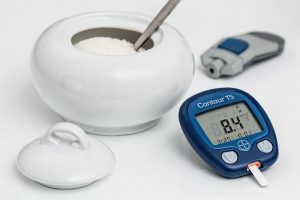
Blood sugar : Studies have shown that it is linked to longevity. High fasting glucose levels and/or glycosylated hemoglobin (HbA1C) are associated with aging, cardiovascular disorders, cognitive issues, and dementia in non-diabetics.
Glycosylated hemoglobin or Hb-a1c : it is a marker reflecting the general state of glycation of tissues, a major phenomenon of aging. It gives an idea of the disturbances in blood sugar levels over a longer term. A 1% variation in HbA1c levels would be correlated with a 20% variation in the risk of coronary artery disease and a 26% variation in mortality. (1)
Fasting insulin : its elevation is linked to insulin resistance, the risk of diabetes, and early cognitive aging. It is also correlated with inflammatory phenomena. Studies show that centenarians generally have lower fasting insulin levels than average.
Blood sugar monitoring through skin sensor placement is now very interesting to observe the effect of various foods and activities that can trigger excessively high glucose spikes, especially for individuals showing signs of insulin resistance.
sRAGE (soluble receptor for advanced glycation end product): this is another marker of advanced glycation.
Adiponectin : this recently discovered hormone (an adipokine) is correlated with the mechanisms of inflammation. Studies have shown that it regularly decreases with age and has close links to the onset of metabolic syndrome, diabetes, atherosclerosis, and non-alcoholic fatty liver disease. (2)
Vitamins and minerals
Vitamin D : a study conducted on 10 different populations showed that relatively high levels of vitamin D were associated with a decreased risk of all-cause mortality. Age-related diseases linked to vitamin D include: osteoporosis and Alzheimer’s.
Vitamin B12 : vitamin B12 levels often decline after the age of 50 (3). A low level is correlated in various studies with a higher risk of cognitive disorders and dementia (4), hyperhomocysteinemia (5), and coronary artery disease.
Calcium: it is demonstrated that aging is often related to a calcium deficiency (leading among other things to osteoporosis). This deficiency is mainly due to vitamin D deficiencies and a decrease in intestinal calcium absorption.
Zinc: zinc deficiency is common in the elderly, due to dietary deficiencies and/or poorer intestinal absorption. It leads to phenomena similar to those observed with age-related oxidative inflammation and immunosenescence (degradation of defenses). It is also correlated with an increased risk of cancer and atherosclerosis (6)(7).
Regarding vitamins and minerals, you can also see: the main nutrients to measure for safe supplementation.
Oxidation
Selenium : it activates the major antioxidant glutathione peroxidase. Therefore, it is a marker of our antioxidant system. A high blood selenium level is generally correlated in studies with decreased cancer risk (esophagus, stomach, lung, prostate) (8)(9).
oxidized LDL : a marker of lipoprotein oxidation, often associated with cardiovascular risk (see below: fatty acids).
Coenzyme Q10 : a powerful antioxidant involved in energy production in our cells, and it decreases with age.
8-OHDG urinary : free radicals can cause damage to our DNA through oxidation. These reactions leave traces: an oxidized base fragment called 8-hydroxy-2-deoxyguanosine (8-OHdG). (19). It is linked to the malfunctioning of mitochondria. A Chinese study showed that urinary 8-OHDG was a good marker of aging. It can measure how much our body has aged or even provide a biological age. It would be related to the risk of developing an age-related disease.
More details in the oxidative stress assessment.
Chronic inflammation
L chronic inflammation, which generally increases with age (“inflammaging”), is the most studied area in immunosenescence (age-related loss of immune defenses) (10). High plasma levels of leukocytes, IL-6, and TNF-α are correlated with a loss of grip strength in older subjects, while most centenarians show few biological signs of inflammation (11). These include:
Interleukin 6 (IL6 ) is a good predictive marker of mortality, especially when associated with CRP (12)
The sedimentation rate: marker of inflammation, although non-specific.
Ferritin : its increase can often be related to a chronic inflammatory state. It is worth noting that it also rises in cases of alcoholism.
Ultra-sensitive CRP : this inflammation marker is correlated with lifespan according to a study of 90,000 people. Lower levels of CRP are associated with better longevity.
Hormones
Testosterone : a 1992 study confirmed that testosterone levels regularly decrease with aging. There is a consensus among studies highlighting that testosterone levels (and also, estrogens), the precursor DHEA and IGF-1 are linked to the risk of premature mortality and physical frailty (13).
IGf-1 : the marker of growth hormone. As mentioned earlier, its decrease is associated with aging, referred to as "somatopause." However, some studies (Lévine – V. Longo) have shown that a high level may also be linked to a decrease in life expectancy. This is especially demonstrated in relation to cancers where indeed, IgF-1 will promote the proliferation of cancer cells. It is important to keep in mind that certain parameters may be correlated with accelerated aging and morbidity, both in decrease and increase. The ideal would be to remain within a good average.
SHBG : It is a transporter of sex hormones. As we age, its level increases by about 1% per year. The decrease in androgens and the excess of estrogens increase the production of SHBG by the liver. The higher the circulating SHBG, the lower the fraction of active testosterone. SHBG also increases in cases of hyperthyroidism or a diet too low in fats.
Cortisol : The level of cortisol, the stress hormone produced by the adrenal glands, is correlated with age-related diseases(14). The more abnormal its secretion, the more glucose metabolism is disturbed. Links have been shown between elevated cortisol levels related to stress and coronary disorders. (15)
DHEA : DHEA sulfate is well known for the decrease in its blood level with age in both sexes starting from the thirties (16). A study reported an average decrease of 5.2% per year. The relationship with morbidity is not really marked.
The ratio DHEAS/Cortisol is correlated with aging and mortality.
Pregnenolone : it generally decreases with age, especially between 35 and 50 years old where its level often drops by 60% or more. Pregnenolone allows for better stress resistance and is heavily involved in cognitive functions and memory. A low level can be a sign of poor energy production by our mitochondria.
Thyroid hormones T3 (especially), T4, and TSH should be checked in anti-aging medicine if suggestive symptoms exist. Lipids and fatty acids
Disruptions in blood lipids (especially if associated with high blood pressure) are among the most reliable markers of cardiovascular risks and mortality (17, 18).
Triglycerides and cholesterol

Triglycerides and cholesterol will therefore be classic markers in monitoring aging.
oxidized LDL : they are a good marker of general oxidation, with lipids being among the molecules that oxidize the fastest. The oxidation of LDL at the level of the vessel walls is a pathway to atherosclerosis. It generally increases with age and insulin resistance (among other factors).
Status in omega-3 : it is interesting to know in anti-aging. Indeed, nutritional deficiencies are now very common, leading to many low-grade metabolic disorders, and correlated with an increased risk of cardiovascular disorders and neurodegenerative diseases. On the other hand, the decrease in the omega-3 to omega-6 ratio is a contributing factor to inflammation.
Others
The blood count may show a
high number of neutrophils / B lymphocytes or too low leukocytes
in case of collapsed immunity. The erythrocyte volume and the level
of hemoglobin related to the oxygenation of body tissues are also
markers of aging.
ALT : it is a marker of cellular destruction
in the liver. A study showed that low levels of ALT at the beginning of
the study led to a reduction in morbidity risk among subjects, eleven
years later.
Homocysteine : it is a marker of a general process of methylation disruption. Its elevation is mainly related to cardiovascular risk.
Selenium : deficiencies are common, and it is involved in thyroid function, antioxidant, mitochondrial, and immune functions.
Creatine kinase CPK : it can reveal a loss of muscle fibers, as well as a deficiency in coenzyme Q10.
Albumin: more commonly known as a biological marker of protein-energy malnutrition, it is also a marker of aging that tends to decrease with age.
Creatinine and urea: they allow for the assessment of a weakening of kidney function.
Telomere length
Finally, this measurement is a test that has emerged on the market in recent years and is becoming trendy. It is known that the length of telomeres (protecting the ends of our chromosomes) is correlated with longevity and the risk of degenerative diseases. This remains a test that is still little used because it is quite expensive (over 300 euros) and its significance is still debated.
Today, some laboratories offer analysis packages focused on certain aspects of aging and preventive medicine, at more advantageous prices.
Additional tests

Other tests allow for the completion of the data obtained, such as measurements of functions that deteriorate more quickly with age:
- respiratory capacities,
- electrocardiogram and cardiac ultrasound,
- stress tests,
- retinal examination,
- tests of auditory, visual, mental faculties, etc...
Finally, medical imaging tests., more advanced tests may sometimes be requested by the doctor in special cases. They are focused on certain organs such as the heart, arterial walls, brain, pancreas, body fat to lean mass ratio, etc… but are generally not necessary in an initial basic assessment. One should also avoid falling into a panic and seeking internal lesions of the body (cancerous or degenerative) at all costs, as is sometimes seen.
Conclusion
In a comprehensive "anti-aging" approach, or if you wish to stay fit for a long time, having the benchmarks of an anti-aging assessment is very interesting. Some analyses being more expensive, it is not a question of overdoing them. Avoid the panic of excessive examinations and screenings, but a good initial assessment in your anti-aging approach will allow for good monitoring over time (especially if there are disturbed biomarkers), and an evaluation of your progress.

in Belgium, where to find a list of anti-aging doctors?
Thank you
I don't know, but there must be associations of doctors, or online.
You have Dr. Resimont Stephane
Hello,
is there a national directory of anti-aging doctors who do not only practice aesthetics?
Living in PUY DE DOME (63) I can't find any who practice the assessments mentioned in the article above.
Thank you.
Daniel
Hello. There are still few doctors offering genuine anti-aging consultations, but this is developing with the growing demand. It is unfortunate that there is still confusion (especially in the media) between "anti-aging" treatments (like facial creams or wrinkle treatments) and anti-aging medicine, which focuses on the overall fitness and health of patients. The two actually go well together. Stay fit.
Hello,
All these tests are very appealing for monitoring the machine, somewhat like a car's check-up… The problem is finding the right mechanic who will perform the famous checks, interpret them, and make the necessary repairs… The issue is that so-called anti-aging doctors are most often doctors practicing aesthetic medicine… How can one find a doctor who practices what I call predictive and preventive medicine?
Thank you…
You are right. It is not simple because medicine does not really evolve in the direction of prevention and healthy living but rather towards treating symptoms above all. That said, there are doctors everywhere who have a holistic approach to health, take the time to assess health status, and seek to restore balance in a comprehensive and sustainable way. This is often found among practitioners of alternative or holistic medicine, in micronutrition, and in anti-aging medicine. Among the latter, some also practice aesthetic medicine to counteract the effects of aging. You can, first and foremost, ask them if they conduct real anti-aging consultations (and/or assessments), and how they proceed.
What are the centers where these tests can be done?? Who should we contact?
for biological tests, these are analysis laboratories. Some laboratories are more specialized and commonly offer these tests. We cannot advertise for a specific lab here, but a laboratory that does not perform all these tests should be able to guide you.
For the other tests, they are generally done at doctors who practice anti-aging and in certain hospital centers (few in number, it is true) specialized in aging and prevention.
a real anti-aging consultation is quite lengthy and is done with biological test results in hand. Fees range from 100 to 200 euros on average depending on the doctors and the services.
BJR,
Who can tell us the price of this famous anti-aging consultation? I couldn't get it in the P.O, I was told it depends. I gave up. Too bad.