

 A meta-analysis has just demonstrated the beneficial effects of curcumin on blood sugar regulation (glycemia). Thus, 22 large quality studies were analyzed and compared. The researchers aimed to take stock of the current state of knowledge on a sometimes contradictory subject.
Ultimately, it appears that curcumin supplements can significantly improve markers of sugar metabolism, particularly those related to the fasting glycemia, of the’insulinemia, and glycosylated hemoglobin (HbA1c, which reflects the state of glycemia over several months).
Curcumin has already demonstrated benefits in various health disorders including polycystic ovary syndrome, type 2 diabetes, inflammatory rheumatism, liver disorders… (see our article on turmeric).
In the conclusions of the study, curcumin would act through various mechanisms:
- regulation of enzymes involved in glycemia regulation,
- anti-inflammatory and antioxidant effects,
- increased insulin sensitivity…
These results suggest that taking curcumin may be an interesting intervention to improve glycemic indices.
These efficacy evidences add to the growing body of evidence that curcumin may act in controlling glycemia (and insulin) and on carbohydrate metabolism, among other beneficial actions. This, of course, provided that the right dose is used, in the right indications, with well-absorbed forms, and for a sufficient duration.
The study:


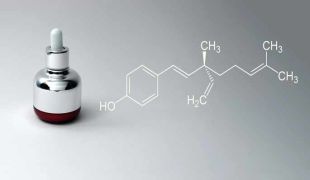
Curcumin is certainly one of the most studied natural molecules to date with numerous beneficial properties. The problem is that it doesn't bring much profit for large pharmaceutical companies. So we don't talk about it much.
My grandmother is 97 years old and in great shape; she has always been drinking turmeric with ginger blended morning and evening. It seems that these two plants are full of good properties for health.