


Well known for its antioxidant properties, turmeric has many other benefits, particularly useful in anti-aging.
Professor M. Capt describes the powers of this wonderful spice.
Our aging is often burdened with disabilities (cancers, cardiovascular accidents, autoimmune diseases, Parkinson's, etc...) sometimes as early as the age of 40. In most countries, humans have stopped extending their life expectancy, which had gained nearly 40 years in a century!
The blame lies with all the lifestyle diseases that share a common factor: «oxidative stress,» due to an overload of free radicals. Even a balanced and proper diet is not always sufficient, and the use of antioxidants is often necessary. Turmeric is one of them.
Turmeric, plant and spice
History
A very ancient plant, known for over 6,000 years in India, probably originating from Vietnam, it is cultivated in India, China, and the Middle East.
 Botany
 Botany
There are about 110 species of turmeric, the most common being «curcuma longa». It is the most used due to its health benefits. Turmeric powder oxidizes in light.
Biochemistry
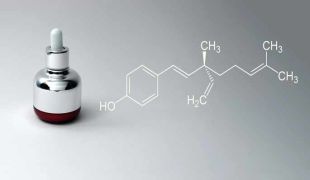
Curcumin, extracted and isolated from turmeric in 1870, is not only a major very powerful antioxidant (10 times more than vitamin E), but also plays a role in regulating a very large number of cellular functions.
The properties of turmeric on health
A powerful anti-inflammatory and analgesic
Turmeric is an anti-inflammatory comparable to medications in this class and is even as effective as cortisone and phenylbutazone. It may be more powerful than hydrocortisone, by reducing histamine levels and increasing the rate of natural cortisone produced by the adrenal glands.
Turmeric has a pain-relieving action by releasing substance P and inhibiting certain enzymes involved in the synthesis of inflammatory substances, such as prostaglandins E2 and leukotrienes. It may also enhance the effect of cortisol on cells, potentially prolonging its half-life and/or decreasing its degradation by the liver.
Significant antioxidant power
Turmeric is very effective against damage caused by free radicals. As early as 1995, numerous studies demonstrated that it inhibited the oxidation of fats and neutralized superoxide and hydroxyl free radicals. This exceptional antioxidant is 3 times more powerful than the resveratrol, pycnogenol, more effective than vitamin C, capsaicin, and BHT…
The protective and anti-aging effects of turmeric
Curcumin from turmeric has recognized effects on two metabolic pathways. It is capable of slowing down:
– the insulin/Igf1 pathway (Insulin Igf1 Signaling),
– the mTOR pathway (mammalian Target of rapamycin).
The slowing down of these two pathways is known to improve longevity in many studies.
Neurodegenerative diseases
Turmeric plays a role in protecting the nervous system, including in Alzheimer's and Parkinson's, primarily by increasing the level of glutathione (antioxidant). It also acts at the level of the mitochondria* of the brain by limiting the formation of peroxynitrites, ions contributing to cell death. This was confirmed by Professor Gregory Cole, Director of the «Alzheimer’s Disease Center,» University of California.
American studies, in 2004 and then 2007 (in vivo), established that turmeric destroys «beta-amyloid» deposits, damaging neurons in Alzheimer’s. Its effect is greater than that of usual medications, even ibuprofen, which is reputed to be effective for this pathology.
Cardiovascular problems
 Turmeric helps lower cholesterol levels in the blood while increasing its fluidity. Moreover, in 1997, a study published in the journal «Molecular Cell Biochemistry» reported that turmeric demonstrated «in vivo» its ability to decrease total cholesterol and LDL while increasing HDL. In April 2008, this same journal confirmed these results, specifying that turmeric strongly protects against the oxidation of lipid membranes. This was confirmed by another study in 2002, in India, by the Cancer Research Center.
Spanish researchers from the University of Granada have proven the beneficial effect of turmeric in the prevention of atherosclerosis. Two other studies in 2008 also attest to the protective role of turmeric against heart failure.
Against declines in immunity
Turmeric acts as a stimulant for the immune system, which represents a useful weapon in the treatment of AIDS. To confirm this immuno-modulatory action, Indian researchers gave turmeric to mice. After only 12 days, compared to a control group, the number of leukocytes had increased by 50%!
– What about the effect on HIV? Numerous studies, including several conducted in Toulouse, have shown that turmeric slows the progression of HIV by increasing, among other things, the levels of T-CD4 and T-CD8 lymphocytes in the blood.
– By what phenomena? Turmeric indeed inhibits the synthesis of the integrase enzyme that allows the virus to integrate into the host cell's genetic code. Furthermore, turmeric inhibits the production of cytokine by this same cell, cytokine that stimulates the formation of HIV in lymphocytes. Finally, as individuals with AIDS have an increased need for antioxidants, turmeric partially meets this need.
Against cancer
Initially, a simple observation revealed by the late neuropsychiatrist, David Servan-Schreiber: in India, where turmeric is consumed in large quantities, there are about 10 times fewer cancers than in many other countries. Turmeric seems to be a first-rate anti-cancer agent. An article published in the famous «Journal of National Cancer Institute» in May 2008 confirms that it blocks cell proliferation and destroys various types of cancer cells (prostate, breast, colon, melanomas, etc.).
It is used not only for prevention but also as a complement to conventional treatments and during radiation and chemotherapy.
Two recent studies from Columbia University in New York have proven the inhibition of prostate cancer cells by turmeric. Excellent results were also obtained on the formidable pancreatic cancer in 2008 by Prof. Swammy and his collaborators in the Department of Medicine at the University of Oklahoma.
Researchers from the University of Texas, including Prof. Anderson from the Cancer Center in Houston,
believe that the anti-cancer potential of turmeric is linked to the decreased activity of an enzyme involved in cancer.
In 2010, research conducted at Johns Hopkins University in Baltimore showed that turmeric, combined with quercetin, reduced the growth of colon polyps by nearly 75% in patients with an increased hereditary risk of colorectal cancer.
Finally, we should mention the research conducted in this field by the renowned oncologist in Aix-en-Provence, Prof. Jean-Loup Mouysset.
Against eye problems
Turmeric has proven effective against all ocular inflammations, particularly uveitis, infections, and degenerations.
Other therapeutic properties of turmeric
Against bacterial infections and parasites
Turmeric inhibits the growth of many bacteria, including ’Entamoeba histolytica«, «Clostridium perfringens«, »Sarcina«, »Gaffkya«, »Staphylococcus«, »Streptococcus«, »Bacillus«, as well as other pathogenic fungi. It also inhibits the production of certain bacterial toxins, which are very harmful to the body, such as »aflatoxins«, which are highly carcinogenic and produced by molds that develop in poorly preserved food.
Against digestive disorders
The European Commission and the WHO recognize the effectiveness of turmeric against dyspepsia. Even experts from the WHO Collaborating Center for Traditional Medicine at the University of Illinois in Chicago confirm its action in alleviating digestive inflammations.
Against wounds and skin diseases
According to studies conducted in the USA, in Bethesda, turmeric acts in cases of wounds, ulcers, mycoses, and even skin irritations. It is a healing agent. Some studies show its beneficial effect against burns from radiation therapy.
Against environmental pollution
Turmeric seems to play a significant role in cellular protection against multiple types of environmental pollutants.
A study conducted in 1998 at Tufts University School of Medicine in Boston showed that turmeric, combined with iso-flavonoids, has a powerful growth-inhibiting effect on breast cancer cells induced by pseudo-estrogen hormonal disruptors. Another study from New York Medical College in 2001 (Prof. JagKushik) confirms the protective effect of turmeric against the estrogenic activity of DDT.
Turmeric also protects against mutagenic effects induced by various environmental pollutants, such as radiation, herbicides, pesticides, and heavy metals.
How to take turmeric?
 In what form and at what dosage?
 In what form and at what dosage?
It depends on the context, as well as the level of individual and family risk. For an «average» individual, prevention can be considered in a simple dietary form, namely sprinkling dishes with store-bought turmeric. For example, one should take a teaspoon of turmeric every day. A more practical form is taking it in capsule form, especially since it should be combined with pepper (about 1% of the ingested dose) to improve the absorption of turmeric by the body.
Indeed, only 5 to 60% (at best) is absorbed by the intestinal mucosa. To further improve its absorption, it is advisable to combine it with fatty substances (canola oil,
olive oil, fish…).
To protect against potentially carcinogenic pollution (electro-pollution, pesticides, etc.), doses of 300 to 600 mg/day are recommended, which is roughly equivalent to 1 to 2 tablespoons, to which a little black pepper should be added. If possible, combine with broccoli and/or cabbage, as sulforaphane neutralizes certain carcinogenic toxins. This is what Prof. Mouysset recommends.
In conjunction with treatment (for cancer, for example), doses can go up to 1,200 mg, or 4 tablespoons.
Turmeric can also be found in other forms: fresh, as an essential oil… Various laboratories sell turmeric capsules. Try to ensure the traceability of the product (country of origin, «organic» certification) and especially guarantee the absence of solvents (acetone, for example), often used in «budget» turmeric.
Store the powder in a cool, dry place away from light to preserve its qualities.
Precautions and contraindications
– taking anticoagulants (risks of bleeding): no more than 300 mg, every 2 days only.
– in case of duodenal ulcers and/or gallstones: same dosage as above
– in case of pregnancy (as a precaution).
Hello
I am lucky to have turmeric in my garden, so I consume it raw in a preparation grated with honey in the morning on an empty stomach and in the evening before bed, very effective against all kinds of diseases. Raw with honey is more effective than cooked.
I am a 53-year-old man, turmeric is certainly beneficial for health in general,
I take it daily before breakfast on an empty stomach, a teaspoon of turmeric, 1/2 teaspoon of ginger, and a pinch of black pepper, all in a large glass of warm natural lemon water (1/2 l), the result is that I no longer have pain in my lower back, I feel fit throughout the day.
Thank you for this advice to Delphine. Another way to make turmeric more absorbable by the body is to prepare an emulsion by mixing a tablespoon of curcumin with 1 or 2 teaspoons of melted coconut oil. Blend everything to make an emulsion and swallow it obediently.
thank you for your advice but could I replace coconut oil with olive oil please
Turmeric, yes, but in high doses! As you say, turmeric has anticancer properties that have been widely demonstrated, just like its low absorption by the body when taken orally. I share with you some tips I found to take it in more effective forms than by spoonfuls of powder.
In 12.5 cl of boiling water (important), you mix a tablespoon of turmeric powder and let the boiling continue for
I would like to know the continuation of your comment which I find very interesting