


Relieving bloating, easing pain, reducing reflux or stopping diarrhoea: modern medicine offers many medicines for these symptoms. But what about addressing their causes?
Article updated on 20 January 2025
If the cause is temporary or resolves on its own, symptoms may disappear. Persistent or long-standing digestive problems require a different approach. Symptom-relieving medicines can also have side effects, sometimes including digestive problems.
The answer to chronic digestive difficulties is rarely a single medicine, but a combination of measures addressing factors such as:
- diet;
- the balance of the gut microbiome;
- production of digestive juices and enzymes;
- management of persistent stress;
- physical and mental lifestyle habits;
- hormonal balance.
Digestion lies at the heart of health. It allows the body to obtain essential nutrients from food and absorb supplements or medicines. It deserves close attention when you want to stay well as you age.
Healthy eating
Eat according to the body’s design
Simply put, if we ate foods suited to our bodies, we might experience fewer problems.
If the diet remains poor, other measures may have limited effect. Start by avoiding the common mistakes described here. Choose fresh, minimally processed foods, prepare them properly and eat calmly. These habits form the foundation.
The idea that a hunter-gatherer or paleo diet suits humans is appealing. However, some people may have adapted to and digest more recent foods, such as cultivated grains, which the paleo diet excludes. Grains are often eaten in excess and can be hard to digest for some people. Once again, the answer is not black and white: moderation matters.
Many diets claim to improve digestion. Once again, there is no single perfect diet for everyone; each person needs to find an appropriate way of eating. That said, diets that focus on adjusting certain carbohydrates may be worth considering for chronic digestive symptoms, at least for a period.
Foods that are harder to digest
Some foods, although natural, can be harder to digest. These include grains, seeds, nuts, legumes and nightshades, partly because of their digestive inhibitors . The main examples include:
- lectins and gluten;
- phytates;
- saponins.
These foods contain more of these substances than many others. Proper preparationand cooking can make them easier to digest.
Some people also experience intolerance to lactose (milk sugar) or casein in dairy products.
Intolerances to vegetables, fruit and animal proteins are less common in the author’s experience. One possible explanation is differences in adaptation to grains and dairy, which have been consumed in large quantities since the development of agriculture.
Should you adopt one of these diets?
Returning to a paleo-style diet , which greatly reduces dairy and grain products, or following a similar approach such as Professor Seignalet’s diet, may help some people with digestive problems, at least temporarily.
The same applies to the specific carbohydrate diet , which excludes categories of complex carbohydrates such as potatoes, parsnips, Jerusalem artichokes and grains ( see the list here). This reduces the carbohydrates available for fermentation by bacteria in the small intestine and may improve symptoms and transit.
In more difficult cases, a low-FODMAP diet may be useful. It restricts more carbohydrates, including some fruits, and can be harder to follow. We recommend using it temporarilyfor people with intestinal inflammation or SIBO, before reintroducing foods one by one to see which are tolerated. A general principle applies: learn to listen to your body when choosing foods.
These diets are often used for irritable bowel symptoms, but they eliminate many foods rich in fibre and polyphenols that nourish beneficial gut bacteria, also known as prebiotics . They are not intended as permanent rules for a healthy diet for everyone.
Unhealthy fats or unsuitable carbohydrates?
 Digestive problems are often blamed on fats. They may also be associated with excess sugar or carbohydrates such as refined flour and starches.
It is advisable to limit fats such as industrial hydrogenated “ trans ” fats, fried foods and certain vegetable oils when heated, or excessive amounts of saturated fat. In contrast, include suitable sources of fat:
– foods rich in unsaturated fats, eaten raw or lightly cooked: cold-pressed oils, nuts, avocados, fish, eggs and meat from grass-fed animals;
– for cooking, olive and coconut oil, as well as moderate amounts of animal fats such as goose or duck fat and clarified butter, preferably from healthy, free-range animals.
Food intolerances
Also avoid foods you do not tolerate. You may already have noticed symptoms such as heaviness, cramps, diarrhoea, fatigue or skin reactions. If you suspect a food intolerance or allergy, a qualified clinician can help identify an appropriate assessment. The article also mentions monitoring pulse changes after meals, a method proposed by Professor Coca.
Common food sensitivities include gluten and other lectins, casein or lactose in milk, and eggs. Food sensitivities or allergies may be longstanding or develop later alongside digestive problems and increased intestinal permeability.
This means that the intestinal lining may also need attention if it has become too permeable (see this article).
Caution : restricting complex carbohydrates is not essential for a healthy diet. If digestive symptoms occur, it may help to adjust intake while seeking to address their causes , according to each person’s circumstances.
Supporting stomach acidity, enzymes and digestive juices
Supporting stomach acidity
Alongside goodhabits such as sleep, chewing and food choices, and stress management , which is often overlooked despite its role in digestive symptoms, other approaches may be considered. First, assess stomach acidity.
Possible signs of low stomach acidity include:
- belching;
- pain after eating;
- acid reflux;
- slow stomach emptying;
- slow or uncomfortable digestion of meat and protein.
One traditional approach uses betaine HCl , starting with 0.5–1 g at the beginning of meals and gradually increasing the dose as needed. Zinc is also sometimes used when deficiency is present.
Other products mentioned include marshmallow root, cider vinegar, iodine, Ginger, turmeric, artichoke, gentian and other bitter herbs traditionally used to stimulate digestive secretions. Ayurveda has used such plants to support what it calls low “ digestive fire ”, an interesting concept (see this article).
Pain on an empty stomach may also be associated with insufficient protective mucus in the stomach lining; the article mentions aloe vera, mallow, tryptophan and dietary measures.
 Eat meals at regular times; the article suggests drinking water between meals. It also notes that stress can affect stomach acidity and digestion, as the body prioritises its stress response.
Supporting digestive enzyme activity
It may be possible to use digestive enzymes such as pancreatic extracts, pepsin or plant enzymes, while also supporting the body’s own digestive function. Other foods naturally contain enzymes, including fermentedfoods, pickles, sprouted seeds, miso, sauerkraut juice, natto and kombucha.
Chew thoroughly to break down food and allow salivary enzymes time to act.
Ursodeoxycholic acid is a medicine used for certain gallstones. The article discusses its possible use for thick bile, under medical supervision. It also mentions cholagogue herbs traditionally used to support bile flow, including boldo, greater celandine and black radish.
Try eating raw vegetables at the start of a meal if tolerated, and seasonal fruit . The article suggests eating fruit towards the end of a meal. Raw foods contain enzymes. Gentle cooking also helps preserve heat-sensitive nutrients. Food enzymes begin to break down when heated.
Finally, grains, seeds, nuts and legumes containenzyme inhibitors and other substances that can be difficult to digest. Consider the amount you eat and prepare them by soaking, cooking, fermenting or sprouting to make them easier to digest..
Addressing upper intestinal bacterial overgrowth and SIBO
Unlike the colon, the upper small intestine normally contains relatively few bacteria. Persistent digestive problems may involve an overgrowth of bacteria in the small intestine, known as SIBO (small intestinal bacterial overgrowth), a syndrome that is increasingly recognised and studied.
The article suggests several complementary approaches:
1 – Choose carbohydrate foods that are easier to digest to reduce fermentation.
2 – Support digestive secretions, including acid and enzymes in the stomach and duodenum (bile and pancreatic juices).
3 – Intermittent fasting has also been proposed as a way to influence the microbiome.
Sometimes it is necessary toaddress excessive bacterial growth in the small intestine. The article discusses certain herbs and essential oils, including mint, oregano, basil, thyme, tea tree and berberine from barberry, as well as grapefruit seed extract. In some cases, antibiotics and/or antifungal agents may be prescribed before working to restore a healthier microbiome.
In many Asian countries, mint, basil, ginger and other aromatic herbs are eaten with meals; the article notes their traditional antimicrobial uses.
Improvement can take time to maintain, although symptoms may improve within weeks when diet is also adjusted.
Rebalancing the gut microbiome
The goal is to support balance among the many groups of microorganisms living in the gut. Research increasingly highlights how the microbiome contributes to healthand may influence longevity.
These bacteria play important roles:
- they help prevent other, potentially harmful bacteriafrom growing and can produce substances that inhibit other microbes;
- they support immune function, helping the body respond to threats;
- they contribute to the absorption and sometimes production of nutrients, and to the balance of neurotransmitters andhormones involved in mood and wellbeing.…
Although their benefits are recognised, simply taking probiotics usually containing lactobacilli and bifidobacteria, does not necessarily restore the whole microbiome. Researchers continue to study which strains may help and whom they may benefit.
Based on current knowledge, the article suggests:
- when there is a reduction in normal gut flora, for example after antibiotics or repeated intestinal infections, probiotics may help restore it;
- when there is an imbalance in colon flora, probiotics may sometimes help;
- but with small intestinal bacterial overgrowth, standard probiotics may not suit everyone and can worsen bloating in some people, as can certain prebiotics.
The article describes two broad patterns of colonic imbalance:
 excessive fermentation: this may produce abundant gas and discomfort, sometimes associated with poorly digested carbohydrates. The article suggests adjusting flour-based foods, starches, sugar, alcohol and fruit to individual tolerance.
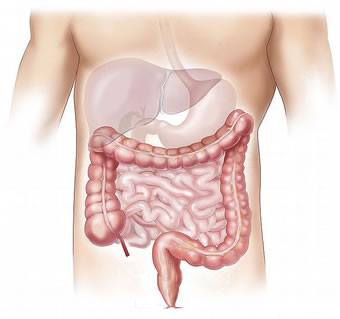 excessive fermentation: this may produce abundant gas and discomfort, sometimes associated with poorly digested carbohydrates. The article suggests adjusting flour-based foods, starches, sugar, alcohol and fruit to individual tolerance.
- excessive putrefaction: in the left side of the colon, which may become painful, with less gas (methane) but strongly odorous compounds such as putrescine, indole and skatole. The article suggests reducing animal protein and eating it only at lunch, while increasing fibre-rich plant foods, green vegetables, fruit and, if tolerated, some whole grains in place of refined grains..
When putrefaction predominates, the article suggests that probiotics may help restore balance by encouraging fermentation.
Some foods naturally contain probiotics, including fresh pollen and fermented foods (such as sauerkraut, yogurt, kefir and kombucha).
The importance of lifestyle
Common sense suggests looking after our bodies, balancing activity with enough time to recover. Yet we often overlook:
- getting enough sleep;
- managing stress and making time to relax;
- getting regular, moderate exercise.
All these lifestyle measures have a demonstrable effect on digestion. Indeed, an exhausted body may produce less stomach acid and fewer digestive enzymes, and bowel movements may also be disrupted, among other effects. Restoring your energy (see here) may be particularly helpful when digestion feels weakened or disrupted.
Addressing increased intestinal permeability
Several factors may contribute to increased intestinal permeability, sometimes called “leaky gut”, including:
- toxic substances, alcohol and certain medicines;
- inflammation associated with bacterial, fungal or parasitic infections, or persistent digestive allergic reactions;
- excess lectins and other antinutrients, particularly when mucus production is low;
- imbalances in the gut microbiome;
- chronically low cortisol;
- psychological or physical stress.
Insufficiently digested food particles or bacterial fragments may cross the intestinal barrier and interact with the immune system. The article discusses a possible association with food sensitivities, inflammation and fatigue, and describes this as a cycle that needs to be addressed (2012 study on the relationship between intestinal permeability and autoimmune disease).
To learn more, read our article on increased intestinal permeability and its treatment.
A qualified healthcare professional can help guide this process.
A hormone relevant to digestion
This hormone is cortisol, which the article describes as sometimes insufficient or poorly regulated, particularly in people exposed to intense, prolonged stress affecting their adrenal glands.
The article proposes that low cortisol may be associated with digestive problems and asks whether an overworked, stressful lifestyle could play a part.
Cortisol influences liver and pancreatic function, insulin levels and appetite, and affects how the body metabolises fats, proteins and carbohydrates.
The article suggests that insufficient cortisol may contribute to chronic inflammation, particularly in the digestive lining, which is in constant contact with food.
Some foods can irritate the digestive tract or be poorly tolerated. The article suggests that this inflammation may itself act as a stressor and contribute to a cycle involving cortisol production.
It is also worth remembering that an underactive thyroid can slow digestion in the stomach and intestines and should not be overlooked. The article also discusses a possible link between adrenal and thyroid function.
Conclusion: address the causes
Do not rely solely on temporary relief from antacids, anti-bloating products or painkillers. Digestive symptoms deserve attention: diet and ongoing stress may contribute, and understanding the causes can help guide appropriate care.
Good digestion plays an important role in staying healthy as you age, as explained in this article on age-related digestive problems.


Thank you for this excellent article… despite all these measures, I regularly have a huge and painful belly even though I am rather slim. My digestion has always been a topic… Which professional can really help? I often come away disappointed, gastroenterologists have laughed at me because I am healthy »don’t eat what hurts your stomach», nutritionists have nothing to offer me about what to eat or not… I am trying again thanks to your site with dietary supplements… to be continued.
Thank you for your feedback..
Thank you for the compliment.
As always, it is important to look for the causes of your digestive issues and address them to balance your intestinal microbiota. Dietary supplements can only provide long-term results if you also address nutrition and/or lifestyle hygiene tailored to YOUR PARTICULAR CASE.
And indeed, starting by not eating what hurts your stomach is part of the overall treatment :-)
Take care.
Hello, the link » see the list here » on specific carbohydrates is not working.
Thank you for bringing it to my attention, Audrey. It has been fixed.
Thank you!
I can't find where I can get the excellent products you mentioned in your articles. Thank you and greetings to the whole team. Luc Gagnon.
There are different laboratories to obtain them. What products are you looking for, please?
Two clarifications, please:
Which probiotics should be taken when needed and with SIBO, since most probiotics worsen my condition but also fermented foods aggravate me!
Secondly, regarding the adrenal glands, it's impossible to find information to improve them, even medications seem to fail in the medium term. Quite a vicious circle!
Thank you very much for this article that brings together important key points on subtle limits.
That's a good remark. Indeed, SIBO is an excess of bacterial proliferation, and it is very understandable that people with SIBO have difficulty taking probiotics that add to this proliferation. Perhaps when we can truly choose certain probiotic strains and not others, this will change, but unfortunately, we are not there yet. We need to treat with other means (disinfection of the upper digestive tract (plants, activated charcoal, essential oils, and sometimes antibiotics…), modify the diet (and avoid certain foods for at least some time), improve chewing, stimulate the production of bile and pancreatic, gastric juices, etc. Intermittent fasting has shown good results on the digestive flora.
As for the adrenal glands, there is no miracle cure. Stimulants of any kind (coffee, medications, plants, drugs…) only have a temporary effect and do not address the problem at its source. These glands are often simply exhausted by chronic stress. There may also be deficiencies in vitamin C, zinc, or others, which are often secondary. Therefore, rest and stress management will be the most effective. Of course, in certain serious adrenal diseases, there may be a need to provide the hormones they no longer produce, but we enter here into another realm of advanced pathology.
Thank you for your appreciation.
VERY VERY INTERESTING FOR BETTER NUTRITION!
I found this article very clear, easy to apply what it teaches us…
Irritable bowel problems are still difficult to resolve!!
Hello,
I do not entirely agree with the generalization of the article: a lot of intolerance to grains and little intolerance to fruits. Indeed, for some people, kiwi, strawberry, cherry, apple, and many others can cause problems ranging from digestive intolerance without consequence to anaphylactic shock. On the other hand, I know very few true intolerants to grains and gluten in particular. It is easy to blame gluten when the rest of the diet is not varied and unbalanced or if the lifestyle is not suited to our nature.
It is common to see people eating organic sausages or pastries to ease their conscience!
But keep informing as you do, the articles are well done and complete.
Just be careful not to follow trends that often lead to imbalances in unsuitable lifestyles.
Jean Luc
I completely agree, my message is precisely not to give in to food trend phenomena but to try to understand them, draw useful lessons from them, and then adapt one's diet according to one's own case and constitution, by testing and observing oneself. There is no universal truth, of course.
For fruits, I only speak from my personal practice (excluding classic IgE allergies to fruits) but I have just moderated my discourse which could, indeed, be perceived as too categorical.
Thank you for your comment.
excellent article
Thank you very much for the compliment coming from a colleague ;-)
Very good article. Thank you Respectfully