


Initially studied for its exceptional antioxidant properties, resveratrol quickly demonstrated its many other virtues, particularly in the field of anti-aging medicine where it holds a major place. Let's see how it can influence our longevity.
Article updated on 24/03/2025
Discovered in the 1990s, resveratrol is a polyphenol found abundantly in grapes, although it is also found in peanuts, blackberries, soy, and various berries.
- Resveratrol, a miracle of nature?
- The different anti-aging properties of resveratrol
- A powerful antioxidant
- It helps fight inflammation
- It stimulates the action of sirtuins
- Resveratrol stimulates autophagy and cellular repair
- It helps regulate blood sugar levels
- It protects against cancer
- It improves muscle growth and bone density
- It stimulates sex hormones
- It protects the neuronal system
- Resveratrol to rejuvenate mice?
- Other effects of resveratrol
- How to take resveratrol for anti-aging?
Resveratrol, a miracle of nature?
For about twenty years, many scientists have closely studied the various anti-aging properties of resveratrol. It must be said that it offers great promises, particularly due to its antioxidant, anti-inflammatory, and anti-cancer activities. Furthermore, it may reduce the risk of chronic diseases related to aging and could increase longevity (1).
Often presented as a panacea, and even though many studies have revealed positive results on health, one should not get carried away and fall into the trend of «resveratrol forever» that has been observed.
On the other hand, we should somewhat forget the famous «French paradox» where the French supposedly have fewer cardiovascular diseases due to the amount of wine they drink. The explanation is more complex. Certainly, wine contains resveratrol but very little, and it also contains alcohol which does not really improve health. Notably, a study on nearly 800 people over 65 in the Chianti region (famous Italian wine) showed no benefit on longevity or on the impact of degenerative diseases in subjects consuming more resveratrol in their diet (provided, in principle, mainly by the wine they drink daily) (2).
Resveratrol also has a drawback: its bioavailability is quite low in humans. Once absorbed by the body, it tends to break down quickly in the blood, which does not allow it to act for very long. For this reason, among others, the results observed in animals are not always translatable to humans, even if they are still the subject of further studies.
Despite this, resveratrol remains one of the most interesting products in anti-aging, if used wisely.
The different anti-aging properties of resveratrol
All the virtues outlined below are related to processes linked to aging, or allow for the’extension of the lifespan of animals in scientific studies.
A powerful antioxidant
 In case of stress, excessive fatigue, or prolonged physical exercise, the body produces what are called «free radicals.» However, too much free radicals can be responsible for the deterioration of cells or their components (DNA, membranes, mitochondria…). On a more global scale, this oxidative process, if poorly controlled, can lead to heart diseases or neurodegenerative diseases such as Alzheimer's disease… Even though the body is equipped to resist them thanks to certain enzymes, vitamins, or other antioxidants, these defenses tend to decrease with age.
However, it has been proven that resveratrol, in addition to its own antioxidant capacity, increases our levels of enzymes fighting against oxidation. For example, in animals, it stimulates heme oxygenase (which breaks down hemoglobin into antioxidants and iron), superoxide dismutase (SOD) (3), catalase, and in particular, some sirtuin enzymes that regulate the expression of genes associated with aging and the repair of our cells (4).
Recently, studies have also proven that it allows to protect against hearing loss by fighting against the increase of free radicals but also by fluidifying blood flow.
It helps fight inflammation
In addition to its antioxidant properties, which indirectly give it an anti-inflammatory character, resveratrol can reduce several mediators of inflammation (5). This allows it to combat the’chronic inflammation low-grade inflammation associated with accelerated aging.
It stimulates the action of sirtuins
Just like caloric restriction, its action on the sirtuin 1 (SIRT1) would allow it to deactivate genes responsible for cellular senescence (see our article on sirtuins) and improve longevity in animals.
Thus, it would limit the effects of the cellular senescence, one of the physiological processes responsible for the aging of the body (6). Indeed, with age, the number of cells becoming «senescent» increases. They are «aged,» function poorly, no longer renew themselves, accumulate in tissues, and lead to the production of inflammatory substances, responsible for various disorders such as decreased physical and cognitive abilities.
Similarly, human cells receiving resveratrol become more resistant to damage inflicted on the’DNA.
However, clinical studies in humans are still needed to confirm that resveratrol can extend lifespan. We cannot extrapolate to humans the results obtained in worms, flies, or mice... and this topic is still debated among scientists.
Resveratrol stimulates autophagy and cellular repair
In the body, there is a major mechanism capable of regenerating our cells: the’autophagy. Under certain conditions, it is triggered, allowing for the repair of cellular components and recycling of proteins that have become useless into new «protein parts» or energy. With aging, this process tends to weaken.
Studies have shown, in particular, that fasting or caloric restriction can activate this process. These restrictive diets are not always easy to follow for very elderly or underweight individuals. Resveratrol is therefore interesting as it allows for stimulating autophagy cellular theoretically avoiding going through a fast that is too harsh or too long.
It is difficult to say that the sole intake of resveratrol will bring autophagy to a sufficient level, and for all cases. However, one might think that it will help trigger it more quickly, with less severe caloric restriction, or more easily, in subjects who have more difficulty transitioning to the autophagic process, or even in synergy with methods such as physical activity, or other substances... That's already interesting.
It helps regulate blood sugar levels
Another strong point of resveratrol: its action on glucose metabolism. Indeed, it is known that a high blood sugar level leads to the onset of diabetes but also to cardiovascular risks. However, it has been shown that the administration of resveratrol allows to increase insulin sensitivity and to lower blood sugar levels (8). Furthermore, through an action on the sirtuin 1, it would limit the accumulation of fat deposits and excessively high cholesterol levels.
These anti-diabetic properties would come from its action on the gut flora where it would help reduce the amount of «bad» bacteria, involved in type II diabetes.
It protects against cancer
With its beneficial action on bile flow, hepatic steatosis, and liver health in general, scientists have been interested in the potential of resveratrol in cases of liver cancer. Indeed, it would be very interesting for prevention, but also in cases of metastasis spread.
Studies have also shown its ability to block the growth of leukemic cells, and other types of cancer cells. (10)
For example, in mice, it is effective against esophageal cancer but also against breast cancer since’it inhibits the enzyme aromatase, responsible for the worsening of this type of cancer (11). Moreover, scientists have found that it is capable of preventing certain brain tumor cells from dividing.
However, further research is expected in this area, particularly regarding its bioavailability for this type of patients.
It improves muscle growth and bone density
 As a natural antioxidant, resveratrol limits the process of muscle protein degradation (proteolysis). Furthermore, its action on sirtuin 1 could increase the levels of available energy by burning more fat. Thus, these conditions will naturally promote muscle building (12).
However, other studies have shown that resveratrol supplementation in active men, does not increase adaptation to intense muscle effort (likely due to its strong antioxidant effect) (15). Thus, it may be wise, in anti-aging, to take resveratrol in the evening, and not on days when engaging in intense sports.
Moreover, it helps combat osteoporosis. Its action on SIRT 1 would promote, in bone tissue, the transformation of stem cells into bone cells rather than fat cells. This induces better mineralization and density of bones that often diminish with age (13).
It stimulates sex hormones
In men, it increases testosterone levels and sperm by stimulating the hypothalamus. For women, it tends to balance estrogen levels to avoid the risks of breast cancer, while promoting its production to limit the undesirable effects of menopause.
It protects the neuronal system
It has been demonstrated that, in animals, resveratrol protects the hippocampus, known to be the center of the memory (7). A study shows that in mice with Alzheimer's disease, the administration of resveratrol reduced cognitive disorders and the onset of seizures.
On the other hand, in the brain, glial cells support and protect our neurons. They provide both nutrients and oxygen. Damage to glial cells is often linked to neurological pathologies, and their health depends on the amount of glutamate they absorb (which is a neurotransmitter). However, resveratrol promotes the absorption of glutamate, thus acting as a protector against dementias and Alzheimer's disease (8).
This area, however, remains to be better explored in humans.
Resveratrol to rejuvenate mice?
Numerous studies have confirmed the effects mentioned above. Some have also shown that mice treated with resveratrol, in addition to being protected from many age-related diseases, would become healthier, more efficient, and more resilient.
Prof. D. Sinclair is well known for the results he has published (improvement of muscles in «rejuvenated» mice, extension of lifespan in the worm…) but his studies on lifespan extension have not always been reproducible and remain controversial.
Combined with intermittent fasting, resveratrol increased the lifespan of rodents, more than fasting alone (17).
In mammals in general, the results are more variable, often dependent on diet or health status. In humans, to date, there is no solid evidence of lifespan extension but there are indications of improvement in biological aging markers (e.g.: inflammation, vascular function, cognition…) that are indeed present.
Let us keep in mind that other studies do not reproduce all these results. And regarding lifespan extension, it is possible that some scientists have attributed a bit more benefit to resveratrol than it actually has. A controversy persists.
Other effects of resveratrol
In recent years, resveratrol has been presented as slightly toxic to the body, which would strengthen itself by fighting against this aggression, according to the hormesis law (a bit like plants adaptogenic).
Nevertheless, many investigations are still ongoing to determine the different effects that resveratrol may have on the body. In addition to those already mentioned, it could also act on:
- The pathway of growth hormones Igf1/GH (which it would regulate) involved in longevity,
- The balance of the gut microbiota,
- Energy production in the mitochondria* and their number (by stimulating the PGC1-alpha pathway) that it would improve,
- increased sensitivity to vitamin D,
- better immune system response,
- treatment of obesity,
- production of neurotransmitters in the brain,
- fighting against nervous depression…
How to take resveratrol for anti-aging?
Choosing the right product
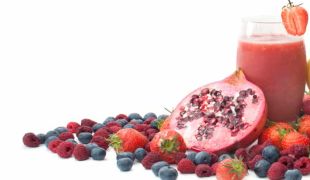
 On the food side, resveratrol is found in dark chocolate, black grapes, blackberries, soy, wine, certain teas, and raw peanuts. However, the quantities are generally too low to have a notable effect on health. In this regard, despite the concept of the «French paradox» which partially attributes the low rate of stroke in France to wine consumption, the concentration of resveratrol in wine is quite low: 0.5 mg per liter (except for very good untreated wines). Therefore, one would need to drink a lot to achieve the effects described above, which does not really align with health.
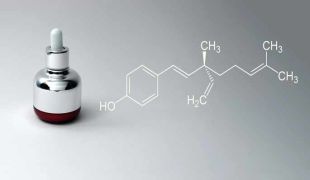
As for dietary supplements available on the market, not all are equal. To benefit from the best quality, it is generally advisable to prioritize pure micronized particles without chemical additives. It is preferable to choose the active form of resveratrol : trans-resveratrol. 100 mg of standard resveratrol provides 50 mg (half) of useful trans-resveratrol. Furthermore, one should choose a purity of over 95%.
Practical advice from Integral Anti-Aging:
Resveratrol products are numerous, often expensive, and not always sufficiently dosed in trans-resveratrol.
The latest data seem to suggest that resveratrol would promote longevity at low doses (100 to 200 mg/day), while to treat degenerative diseases or promote apoptosis (the destruction) of abnormal cells, it would require rather 500 to 1000 mg/day.
Here are trans-resveratrol capsules from suppliers we have selected. This is therefore the pure active form of resveratrol. The following products are of good quality, sufficiently dosed, and affordable.
Transparency: these products are sold by partner laboratories that pay a small commission to support the operation of this site.
To be used with common sense
Even though studies have clearly demonstrated its various effects, we should not believe that taking resveratrol every day will protect us from aging, degenerative diseases, and cancer. That would be too good and too simple.
On the other hand, it seems relevant to use it periodically, when we aim to bring the body's functions back to balance, particularly:
- when we seek to stimulate cellular regeneration through autophagy
- when we are in a state of’oxidation significant (oxidative stress)
- in case of the appearance of signs of metabolic syndrome (abdominal obesity, insulin resistance, increased blood fats, hypertension…) or a pre-diabetic tendency…
It seems preferable to undergo treatments for a few months. As always (aside from so-called «substitutive" treatments), we should avoid the body becoming accustomed to a substance that would then gradually become ineffective.
The dosage of resveratrol
It is difficult to say exactly what dose is necessary. It certainly varies depending on individuals and what one wants to improve, but also according to the form of the product.
By extrapolating studies done on animals, it can be estimated that the doses used would be equivalent to a daily intake of 150 mg to 2000 mg for humans. Several studies related to «anti-aging» properties, such as the stimulation of autophagy, seem to suggest that a dose of 150 mg/day for a subject weighing 65 kg would be sufficient. For other effects such as on blood circulation or sex hormones, the doses would be more around 500 mg of pure resveratrol per day. (16)
In fact, the resveratrol available on the market can be extracted from different plants (grapes, Japanese knotweed, pine nuts…). It can come in powder form, liposomes, oily capsules… It seems that its origin and form largely influence the bioavailability of the product. Therefore, some laboratories offer low dosages such as 20 mg/day with very bioavailable forms, while others recommend 300 or 500 mg per day with different forms. The important thing is to have quality products to achieve the desired effects.
Finally, it should also be noted that, in some cases, very high doses can have the opposite effect of what is intended (heart problems, osteoporosis, healing of gastric ulcers…). Also note that the effect on the longevity mice was obtained with low doses.
Ultimately, 150 mg to 500 mg per day of trans-resveratrol seems reasonable. With lower doses in young adults, and higher doses in those over 60, one must also take into account the overall health status and physical activities of each individual.
Capsules or tablets should be taken with a glass of water, at mealtime, due to the rapid elimination of the product from the blood. Piperine from black pepper, according to some studies, would increase the bioavailability of resveratrol, particularly at the level of neurons. This is also true for turmeric.
Side effects
Normally, its intake does not cause any side effects if the dosage is respected. This has been verified, up to 500 mg/day in healthy humans and up to 5 g/day in cancer patients (14).
It should still be noted that for individuals lacking iron or anemic, resveratrol can reduce its absorption.
With excessive consumption some individuals have reported mild gastrointestinal disturbances., some individuals have described mild gastrointestinal disturbances.
For those taking medications that act on the liver (such as statins or anticoagulants), care should be taken regarding possible interactions.
That is why it is always preferable to seek advice from a doctor who is well-versed in the subject before starting a treatment.
USER FOR A SHORT TIME BUT ALREADY MORE ENERGETIC I WILL BE WATCHING FOR EFFECTS IN A FEW WEEKS FOR NOW I FEEL LESS IN A FOG…..
I did not know…
Thank you very much for this super interesting article. Indeed, resveratrol has greatly helped my mother boost her health, gain more energy, and alleviate her joint pain; even her skin has become smoother than before.
I bought this supplement from an online store. It contains 156 mg of 100% trans-resveratrol and 5 superfruits (blueberry, black sweet cherry, acai berry, Concord grape, and pomegranate), extracts of aloe vera, green tea leaves, and acai berries.
Thank you for your comment 👍 which online store did you find it in? Thank you.
Thank you for this very interesting article. As for asking for advice from one's doctor, one must be lucky. For example, when I spoke to my cardiologist about the ubiquinol I take every day, I quickly realized that it was a distant galaxy for him…
Great, I've been looking for nutrients capable of real fitness for a long time.
Thank you, this article is interesting. Where can we buy resveratrol? Under what name, which laboratory?
please indicate it to me
There are many products on the market. Without naming a particular brand, make sure to find a simple form (without a mixture) that provides 200 to 400 mg/day of «trans-resveratrol» per day (the active form), preferably in micronized powder.