

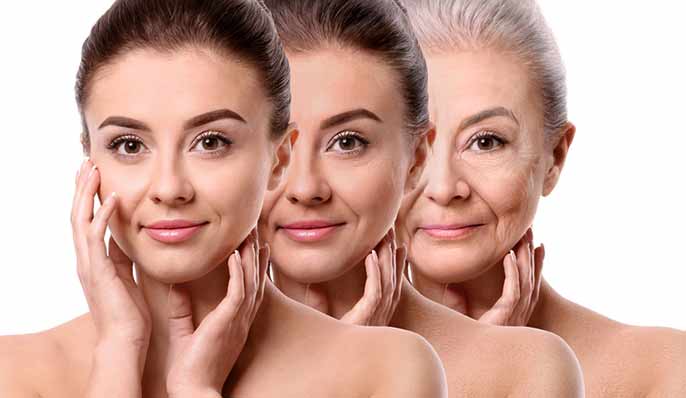
When discussing the fight against skin aging, attention often focuses on sophisticated treatments: lasers, injections, or very expensive cosmetics. However, a large number of simple and inexpensive interventions have demonstrated measurable effects on skin quality in scientific studies.
These strategies act on several mechanisms involved in skin aging: oxidative stress, collagen degradation, chronic inflammation, alteration of the skin barrier, or slowed cellular renewal.
Here are nine accessible interventions (for both women and men) that can help to slow down skin aging, with results confirmed in scientific studies.
1. Daily sun protection
UV rays are a major external cause of skin aging. They induce DNA damage (which weakens skin cells), increase reactions of ’oxidation, and activate the enzymes responsible for collagen degradation.
Results observed in studies
A randomized study conducted over 4.5 years with more than 900 participants showed that daily use of sunscreen significantly slowed the progression of skin aging compared to occasional use. Subjects applying sunscreen every day showed fewer wrinkles and better skin texture.
References
– Hughes MC et al. Daily sunscreen application and prevention of skin aging. Annals of Internal Medicine. 2013.
– Iannacone MR et al. Sunscreen use and photoaging. Photodermatology Photoimmunology & Photomedicine. 2014.
Advice
Without banning the sun, which is naturally vital for us (for example, vitamin D production). Avoid strong and prolonged exposures (more than 20 minutes) if you are not using protection: screens, creams, clothing…
2. Vitamin C for topical application
Vitamin C is a major antioxidant for the skin and a cofactor whose presence is essential for collagen synthesis.
Results observed in studies
Clinical trials have shown that regular application of vitamin C can improve skin elasticity, reduce fine wrinkles, and increase collagen density in the dermis. It also helps to reduce certain signs of photo-aging and improve skin radiance.
We recently published that a daily intake of vitamin C could improve the skin in a few weeks by activating its regeneration genes.
References
 – Telang PS. Vitamin C in dermatology. Indian Dermatology Online Journal. 2013.
– Pullar JM et al. The roles of vitamin C in skin health. Nutrients. 2017.
Advice
Eat raw or lightly cooked foods (vitamin C degrades above 120°), or supplement if necessary.
3. Retinoids (retinol)
Retinoids (such as retinol, vitamin A, tretinoin…) are among the most studied topical molecules in dermatology for combating skin aging.
Results observed in studies
Several studies have shown that regular use of retinoids can reduce the depth of wrinkles., increase the thickness of the dermis and stimulate collagen production. Histological analyses have also shown an improvement in the organization of dermal fibers and an increase in epidermal renewal, contributing to a sense of skin "rejuvenation."
References
– Mukherjee S et al. Retinoids in the treatment of skin aging. Clinical Interventions in Aging. 2006.
– Kafi R et al. Improvement of naturally aged skin with topical retinol. Archives of Dermatology. 2007.
Advice
Incorporating retinol into a night cream or serum can be beneficial. It should be done for a few weeks, on a recurring basis. In some cases, such as excessive sun exposure that has prematurely aged the skin, a (medical) prescription for a tretinoin cream may improve skin damage caused by UV.
4. Gentle AHA peels
Alpha-hydroxy acids (AHAs, also known as fruit acids) like glycolic acid have long been used to improve skin texture. They can be easily obtained in solutions or exfoliating creams, up to concentrations of 15% glycolic acid, for example.
For a slightly stronger peel, it is recommended to consult a professional.
Results observed in studies
Clinical studies have shown that regular use of glycolic acid can improve skin texture, reduce fine lines, and stimulate collagen synthesis. Histological analyses have also highlighted thickening of the epidermis and an increase in dermal density.
References
– Sharad J. Glycolic acid peel therapy. Clinical Cosmetic and Investigational Dermatology. 2013.
– Ditre CM et al. Effects of alpha hydroxy acids on photoaged skin. Journal of the American Academy of Dermatology. 1996.
Tips
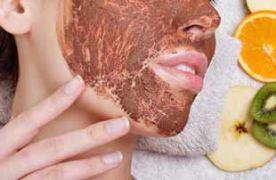 Exfoliating the skin 1 or 2 times a year can be beneficial for a regenerating effect, using creams or masks with fruit acids, or even directly applying the pulp of fruits as masks (for example, papaya, kiwi, apple, grape…). Make sure you are not allergic to these fruits, of course.
5. Regular skin hydration
Dehydration of the skin alters the skin barrier and enhances the appearance of wrinkles. Therefore, cosmetic treatments that allow the skin to retain water have a protective effect (creams, serums…), just like optimal body hydration.
Results observed in studies
Regular use of moisturizing creams containing glycerin, ceramides, or hyaluronic acid allows you toincrease the hydration of the stratum corneum superficial layer of the skin (stratum corneum), toimprove the barrier function, and reduce the visibility of wrinkles superficial.
References
Rawlings AV et al. Moisturizers and skin barrier function. International Journal of Cosmetic Science. 2004.
Tips
Using a moisturizing cosmetic regularly, chosen according to your skin type, is generally a good habit. Avoid any dehydration of the body by drinking enough water, especially if it is hot, if heating dries the ambient air, or if you sweat…
6. Facial massage
Facial massage is a simple technique that primarily works by activating local microcirculation, oxygenation, and mechanical stimulation of the tissues, for better skin firmness.
Results observed in studies
Experimental work has shown that repeated mechanical stimulation of the skin can increase collagen synthesis (by stimulating the expression of certain involved genes) and improve the structure of the dermis.
References
Koyama T et al. Mechanical stimulation and dermal fibroblast activation. PLoS One. 2017.
Tips
Regularly stimulate your skin during your daily care with a massage (even brief), manual or with a device, or slaps (yes, that works too).
7. The intake of dietary antioxidants
Oxidative stress plays an important role in the aging of the body, organs, and particularly the skin.
Results observed in studies
Several studies have shown that certain dietary antioxidants, particularly carotenoids and polyphenols, can help with skin protection against UV, reduce oxidative damage, and improve certain parameters of skin quality.
References
– Stahl W & Sies H. Carotenoids and protection against UV radiation. Molecular Aspects of Medicine. 2012.
– Evans JA & Johnson EJ. Carotenoids and skin health. Nutrients. 2010.
Tips
 Make sure to eat colorful fruits and vegetables (in season) daily, rich in polyphenols. Antioxidant supplementation is also possible, choosing them appropriately, depending on each case (see our shape test which can estimate your oxidation level, among other things).
8. Physical exercise
Regular physical activity influences many biological processes involved in aging, including at the skin level. Physical exercise maintains our body, our fitness, and also our aesthetic appearance.
Results observed in studies
Studies have shown that regular exercise can increase dermal thickness, improve skin circulation and promote a dermal profile closer to that observed in younger subjects.
References
Kawada S et al. Endurance exercise and skin aging. Aging Cell. 2015.
Advice
Move your body regularly, at every opportunity and never stop. Keep your muscles. One way to achieve significant results without spending too much time is intermittent exercise.
9. Sleep
Sleep plays an essential role in tissue repair, detoxification of the body, hormonal regulation…
Results observed in studies
A clinical study showed that people suffering from lack of sleep exhibit more signs of skin aging, an slower recovery after skin stress and a disruption of the skin barrier function.
References
Oyetakin-White P et al. Poor sleep quality and skin aging. Clinical and Experimental Dermatology. 2015.
Tips
Sleep is essential, and it is important to maintain both its quality and quantity. These are routines and basic rules that you will find in this article about sleep with age.
And in practice…
Skin aging is multifactorial. Some of the most effective strategies already rely on the concurrent use of simple interventions applied regularly, such as:
- daily photoprotection
- appropriate local treatments
- nutrition rich in antioxidants
- physical activity
- restorative sleep…
These measures are accessible, low-cost, and can significantly contribute to preserving skin quality in the long term. Let's not deprive ourselves of them.

Leave A Comment